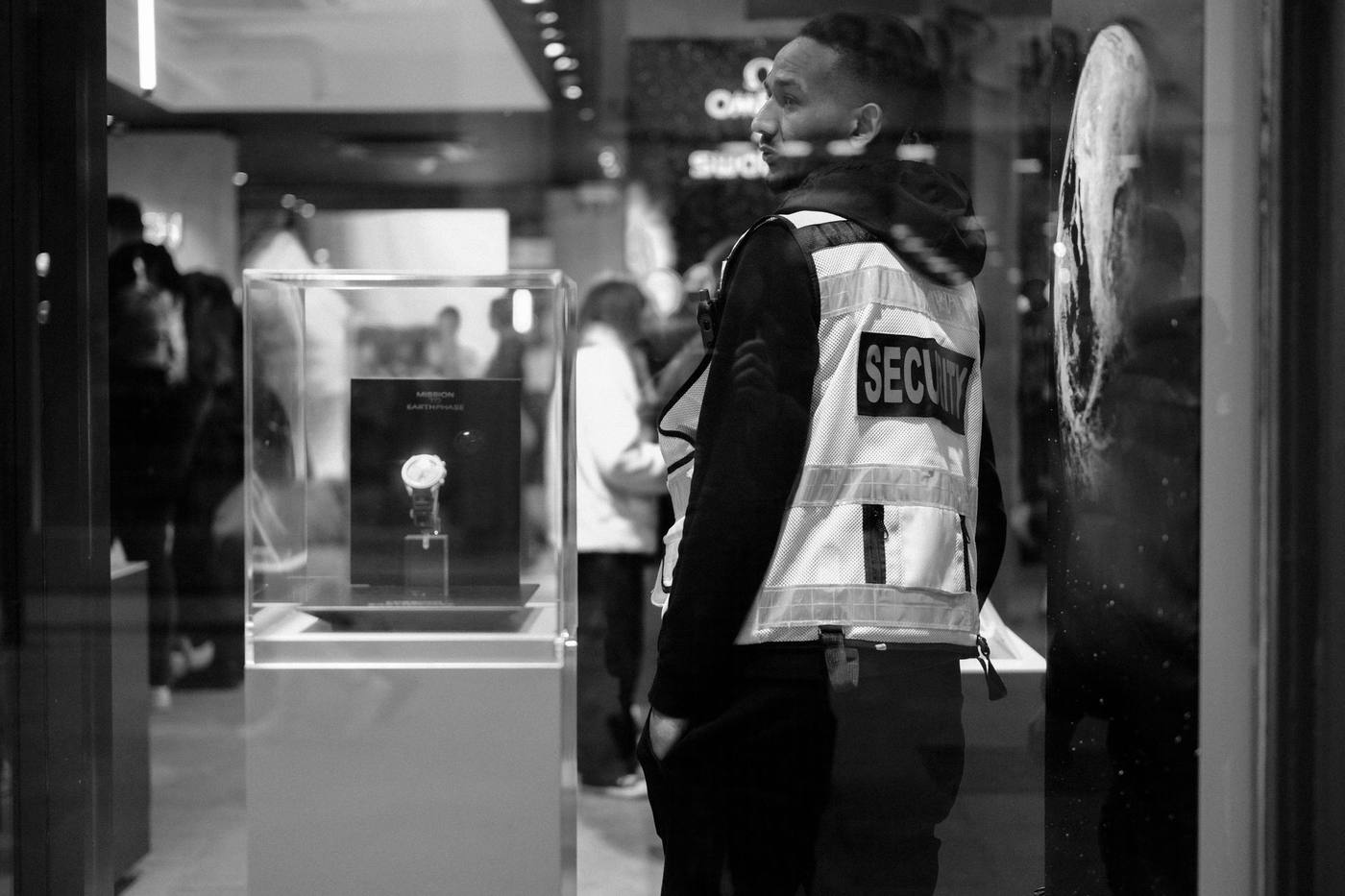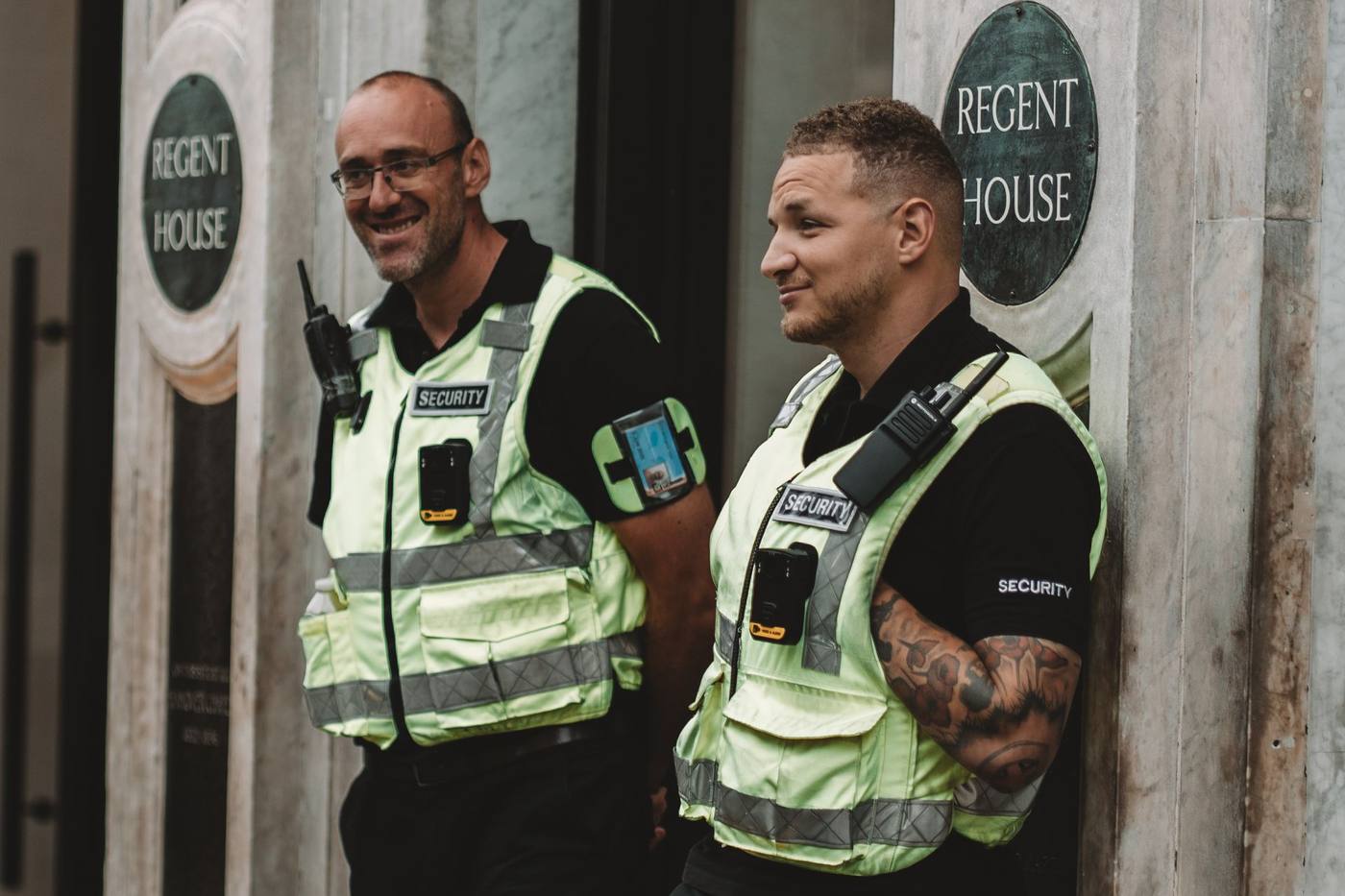

In modern commercial, corporate, and public environments, security personnel are far more than physical deterrents—they are often the first and last point of contact for visitors, clients, and customers. The days of the silent, unapproachable security guard are gone. Today's security professional must strike a delicate balance: acting as an approachable brand ambassador who enhances the customer experience, while maintaining the sharp situational awareness needed to protect life and property.
The Customer Service Excellence for Security Staff program is designed to bridge the gap between hard security operations and soft-skills hospitality. It equips frontline security officers, concierge guards, and patrol teams with the communication tools, behavioral psychology, and de-escalation techniques required to deliver world-class customer service without compromising their core protective posture.
Course Overview
This comprehensive program reshapes how security personnel view their daily interactions. Rather than seeing customer engagement as a distraction from security duties, delegates learn how proactive customer service is actually one of the most effective tools for threat detection and prevention (such as using welcoming communication to deter opportunistic shoplifters or hostile reconnaissance).
Through interactive modules, roleplay, and behavioral analysis, participants will master the art of positive first impressions, polite rule enforcement, and high-stress conflict resolution.
Course Objectives
By the end of this intensive training program, participants will be able to:
- Balance Service and Security: Seamlessly transition between welcoming customer service and vigilant, active threat observation.
- Master Non-Verbal Communication: Use open body language, eye contact, and professional positioning to project both warmth and authoritative control.
- Enforce Rules Politely: Communicate facility guidelines, restricted access policies, and safety protocols assertively without causing offense or defensive reactions.
- De-escalate Frustrated Customers: Apply tactical communication frameworks to calm angry, confused, or distressed individuals rapidly and professionally.
- Deliver Inclusive Service: Interact respectfully and helpfully with diverse populations, including children, elderly patrons, and individuals with physical or cognitive disabilities.
Benefits of the Training
For Trainees
- Advanced Conflict Resolution Skills: Gain a highly sophisticated toolkit for turning tense, hostile confrontations into cooperative, calm resolutions.
- Enhanced Job Satisfaction: Experience fewer high-stress physical altercations by successfully managing situations verbally.
- Professional Career Advancement: Acquire critical leadership and communication credentials that set you apart for supervisory, corporate, and high-end concierge roles.
For Employers
- Positive Brand Reputation: Ensure your security team reflects your corporate values, leaving visitors with an outstanding first impression of your organization.
- Reduced Confrontations: Lower the incidence of physical escalations on your premises, minimizing liability, injuries, and disruption.
- Increased Customer Retention: Create a welcoming environment where customers feel both safe and respected, encouraging repeat visits and longer dwell times.
- Strengthened Security Posture: Cultivate a team that detects anomalies earlier by actively and politely engaging with everyone who enters the footprint.
5-Day Course Outline & Practical Training Plan
This program combines behavioral theory with intensive, video-recorded roleplay simulations designed to build confidence and refine tone of voice.
- 1
Day 1
The "Professional Guardian" Identity & First Impressions
Theoretical Modules
- The evolution of the security officer: Moving from a physical barrier to a brand ambassador.
- The "First 7 Seconds": The science of first impressions, professional grooming, and open body language.
- Active customer deterrence: How polite, proactive greetings disrupt criminal intent.
Hands-on / Practical Training
- First Impression Video Analysis: Trainees are recorded greeting visitors in a mock lobby or entrance. The group analyzes tone, posture, eye contact, and facial expressions, establishing a baseline for improvement.
- 2
Day 2
Verbal Mechanics & Polite Rule Enforcement
Theoretical Modules
- Tone, tempo, and vocal modulation: How to project calm authority without sounding robotic or aggressive.
- The art of "Positive Framing": Explaining what a customer can do, rather than focusing solely on what they cannot do.
- Refusal and restriction scripts: Politely denying entry or enforcing ID/bag-check policies.
Hands-on / Practical Training
- The Polite Refusal Lab: Trainees must enforce common store or corporate rules (e.g., "no food inside," "badge must be visible," or "area restricted") with stubborn roleplayers. They are graded on their ability to hold the security line while remaining exceptionally polite.
- 3
Day 3
Handling Frustration & Tactical De-escalation
Theoretical Modules
- The anatomy of anger: Understanding customer frustration (long lines, slow systems, policy changes).
- The "L.E.A.P." model (Listen, Empathize, Apologize, Partner) tailored for security professionals.
- Managing public onlookers: Keeping a localized incident from becoming a crowd disturbance.
Hands-on / Practical Training
- High-Stress De-escalation Drills: Trainees are placed in realistic scenarios where a customer is highly agitated (e.g., a declined credit card, a long wait, or an accidental alarm activation). Trainees must calm the customer down verbally and resolve the situation within 3 minutes.
- 4
Day 4
Inclusive Service, Accessibility, & Vulnerable Patron Care
Theoretical Modules
- Providing assistance to patrons with physical disabilities: Etiquette, safety considerations, and communication protocols.
- Understanding and managing neurodiverse patrons or those experiencing high anxiety in busy spaces.
- Handling sensitive situations: Lost children, disoriented elderly guests, or medical crises in public view.
Hands-on / Practical Training
- Vulnerable Patron Scenario Matrix: Trainees must resolve scenarios involving vulnerable visitors (e.g., helping a sight-impaired guest navigate a construction barrier, or reuniting a distressed child with their parent while maintaining store safety).
- 5
Day 5
Multi-tasking Under Pressure & Professional Evaluation
Theoretical Modules
- Cognitive load management: Balancing customer inquiries while monitoring alarms, radios, and access points.
- Post-incident reporting: Documenting service-recovery incidents and reporting customer feedback to management.
- Personal resilience: Techniques for shaking off a negative customer interaction before greeting the next guest.
Hands-on / Practical Training
- The "Peak-Hour" Lobby Simulation: Trainees run a mock entrance during a chaotic period. They must handle radio calls, welcome VIPs, answer basic directions, politely enforce a badge check, and handle a minor customer complaint simultaneously.
- Final Course Assessment & IASS Certification Review.