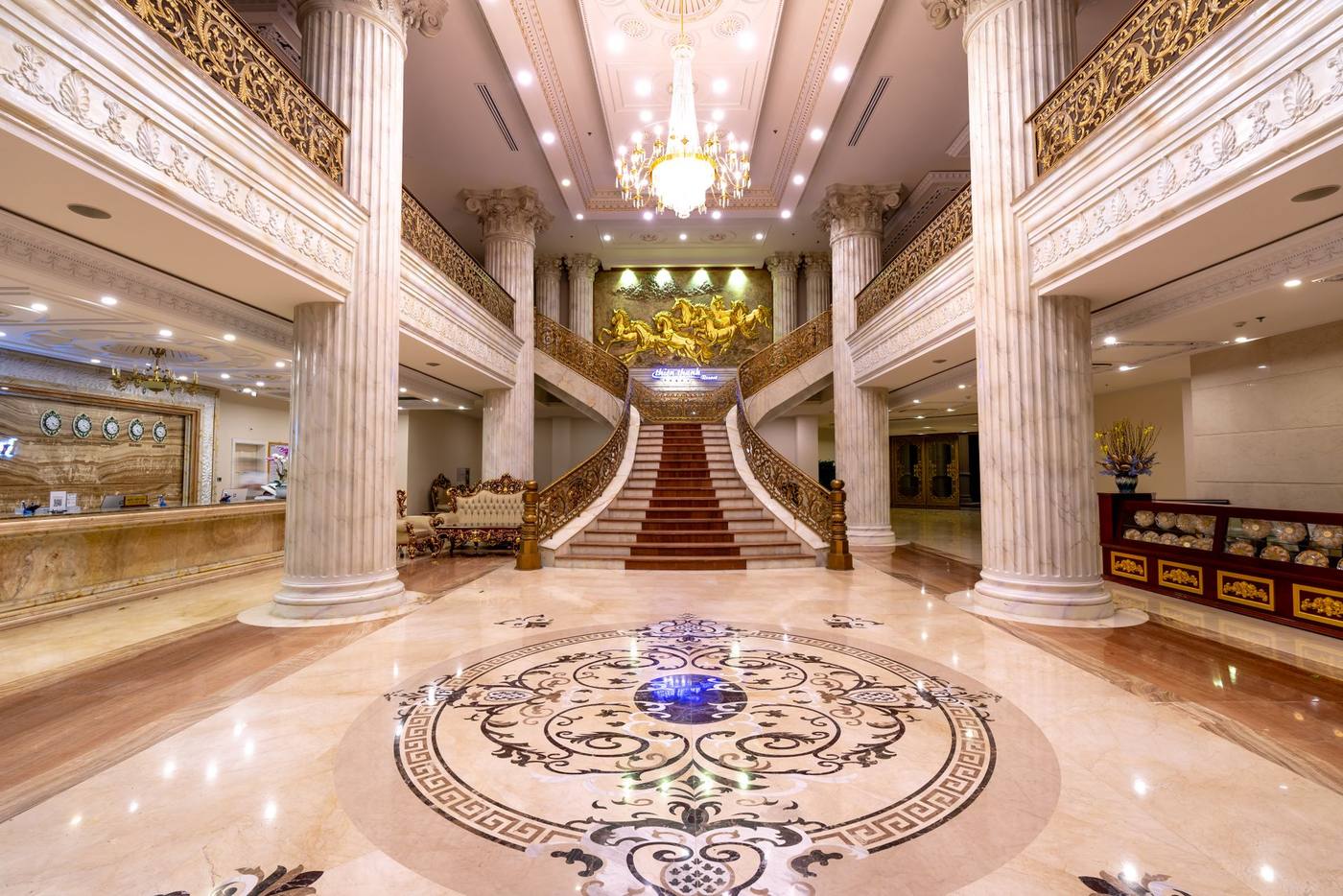
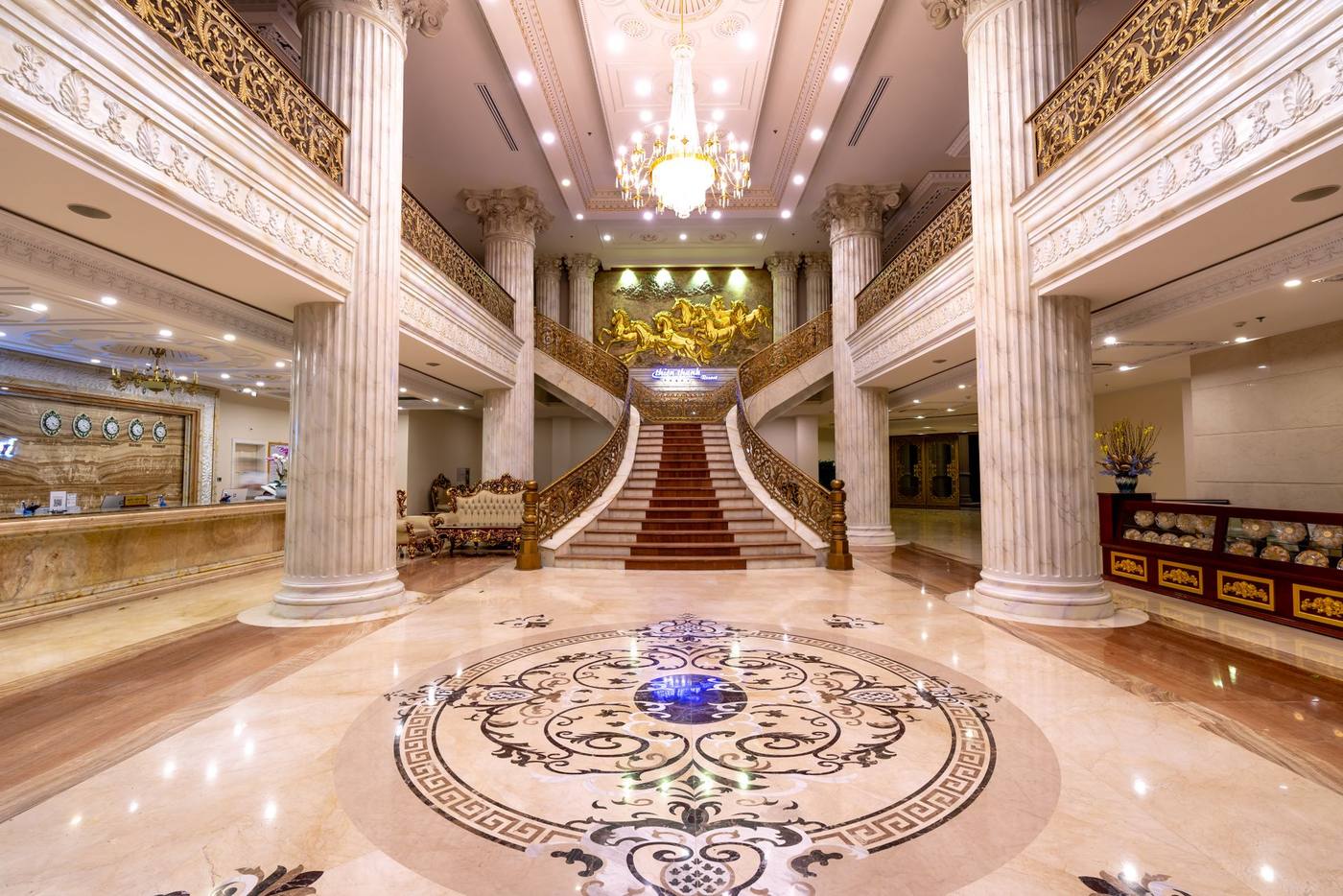
In a five-star luxury hotel, security cannot resemble standard commercial enforcement. There are no heavy physical barriers, visible tactical gear, or intimidating postures. Instead, security must be invisible yet omnipresent—woven seamlessly into the fabric of high-end hospitality. The modern luxury hotel security officer is a "Security Ambassador" who projects warmth, refinement, and impeccable service, while silently maintaining an elite defensive posture that protects high-profile guests, valuable assets, and the brand's prestigious reputation.
The Security Ambassador: Luxury Hotel Standards program is a masterclass designed specifically for hotel security officers, concierge-security leads, and residential estate protection teams operating within the luxury hospitality sector. It teaches delegates how to merge elite protective surveillance with five-star service standards.
Course Overview
Operating in a luxury hotel means managing high-net-worth individuals, royal families, celebrities, and corporate executives who demand absolute safety alongside total privacy and frictionless service.
This intensive 5-day program trains security personnel to replace traditional, reactive security methods with proactive, low-profile protective surveillance. Delegates will master luxury behavioral etiquette, guest privacy preservation, covert threat profiling, VIP protocol coordination, and elegant, non-disruptive crisis de-escalation.
Course Objectives
By the end of this intensive training program, participants will be able to:
- Embody Five-Star Etiquette: Align posture, grooming, verbal tone, and non-verbal communication with leading global luxury hospitality standards (such as Forbes Travel Guide benchmarks).
- Execute Low-Profile Surveillance: Detect hostile reconnaissance, suspicious behavior, and security anomalies without alerting or disturbing hotel guests.
- Enforce Discretion and Privacy: Protect guest lists, room numbers, and itineraries from media, paparazzi, and unauthorized social engineering attempts.
- Coordinate VIP & Delegation Protocols: Seamlessly interface with embassy staff, private close-protection details, and state security teams.
- Deliver Elegant De-escalation: Defuse conflicts, handle intoxicated high-profile patrons, or resolve guest disputes quietly, maintaining the serene atmosphere of the property.
- Manage Emergencies Covertly: Coordinate evacuations, medical responses, or fire alarms with calm, reassuring authority that prevents mass panic.
Benefits of the Training
For Trainees
- Elite Specialized Skillset: Master a highly prestigious, niche branch of the security industry that commands premium compensation and global career mobility.
- Exceptional Soft Skills: Develop sophisticated verbal intelligence, emotional diplomacy, and high-stakes negotiation skills.
- Prestigious Career Path: Position yourself for rapid advancement into luxury hotel security management, corporate estate protection, or private family office security roles.
For Employers
- Protected Guest Satisfaction scores: Ensure security operations enhance, rather than detract from, the property's guest satisfaction and brand reputation ratings.
- Uncompromising Safety & Privacy: Secure the hotel footprint against sophisticated threats while ensuring VIP guests experience complete freedom of movement.
- Mitigated Brand Liability: Handle sensitive guest disputes, internal losses, or public disturbances discreetly, protecting the property from media exposure and legal damage.
- Seamless Team Interoperability: Build a security team that collaborates effortlessly with front-of-house, concierge, and guest relations departments.
5-Day Course Outline & Practical Training Plan
This program combines luxury hospitality hospitality theory with high-fidelity, interactive roleplays on a simulated luxury hotel floor.
- 1
Day 1
The "Invisible Shield" Philosophy & Luxury Etiquette
Theoretical Modules
- The Security Ambassador mindset: Merging protective duty with five-star service hospitality.
- Verbal and non-verbal communication benchmarks: Vocal tone, body positioning, eye contact, and active listening.
- Sartorial elegance and professional grooming standards: The impact of a polished, non-combative appearance on threat deterrence.
Hands-on / Practical Training
- First Contact & Grooming Audit: Delegates undergo a detailed evaluation of their posture, stride, vocal delivery, and professional presentation. They practice standard greeting protocols and guest navigation assistance under close instructor scrutiny.
- 2
Day 2
Protective Surveillance & Behavioral Profiling
Theoretical Modules
- The science of behavioral profiling: Recognizing baseline lobby behavior vs. hostile anomalies (pre-incident indicators).
- Identifying "social engineers" attempting to gather guest intel or gain access to restricted VIP floors.
- Designing security sightlines: Utilizing lobby layouts, floral arrangements, and architectural features for covert observation.
Hands-on / Practical Training
- The Covert Spotting Lab: Trainees are placed in a busy mock lobby environment. Actors are deployed to simulate various non-obvious threats (e.g., a person conducting surveillance, a guest room key phisher, or an unauthorized blogger). Trainees must spot and report the anomalies without breaking their front-of-house composure.
- 3
Day 3
VIP Protocol, Escorts, & Close-Protection Coordination
Theoretical Modules
- Liaising with external Close Protection (CP) teams, embassy staff, and law enforcement details.
- Securing transition points: Safe arrival/departure sequences via VIP driveways, private elevators, and service corridors.
- Luggage, vehicle, and corridor sweeping protocols for high-security arrivals.
Hands-on / Practical Training
- The Delegation Arrival Drill: Trainees must plan and execute the secure arrival of a high-profile "foreign diplomat" at the hotel. They must coordinate with a mock close-protection team, manage the valet drop-off point, secure the private service elevator, and escort the guest to their suite safely and seamlessly.
- 4
Day 4
High-Society Conflict Resolution & Discreet De-escalation
Theoretical Modules
- Handling sensitive conflicts in public spaces: Intoxicated VIPs, high-rolling casino disputes, and aggressive paparazzi.
- The "Acoustic De-escalation" technique: Lowering the volume of a confrontation to preserve the serene hotel atmosphere.
- Polite room entry and in-room guest welfare checks without violating privacy boundaries.
Hands-on / Practical Training
- The "Quiet Room" Roleplay: Trainees manage a high-stress scenario where an elite guest is causing a loud disturbance in a fine-dining restaurant or executive lounge. They must approach, isolate the guest discreetly, calm them down, and escort them to their room without attracting the attention of neighboring tables.
- 5
Day 5
Covert Incident Response, Evacuation, & Reporting
Theoretical Modules
- Managing emergencies (medical crises, localized fires, or active threats) without causing a mass panic.
- Discreet evacuation techniques: Utilizing back-of-house corridors, staff exits, and underground service zones.
- Writing objective, highly confidential, and legally defensible hotel incident reports.
Hands-on / Practical Training
- The Silent Evacuation Simulation: Trainees must coordinate the evacuation of a VIP floor during a simulated electrical hazard. They must bypass main public stairwells, utilize secure staff routes, communicate via silent earpiece protocols, and escort "guests" to a secure off-site assembly point with absolute calm and reassurance.
- Final Course Assessment & IASS Certification Review.