
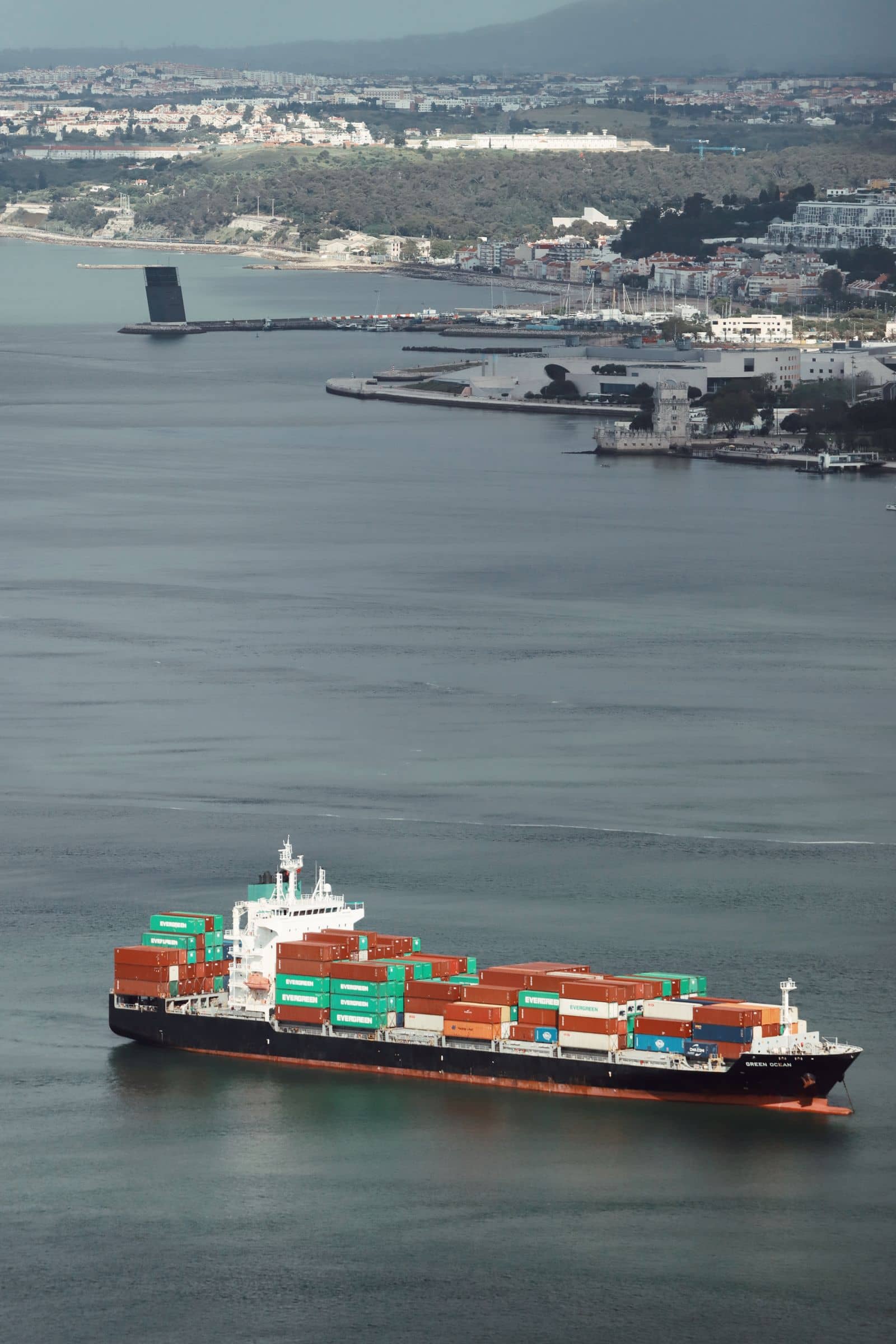
Commercial ports concentrate high-value cargo, hazardous materials, and critical loading infrastructure inside perimeters that were engineered for ground-level threats. The proliferation of low-cost unmanned aerial systems (UAS) requires port facility security officers to extend the ISPS-code mindset into the vertical dimension.
Layered Detection Before Interdiction
IASS advises a detection-first posture: radio-frequency scanning, optical tracking, and coordinated watch-officer reporting integrated into the existing port facility security plan. Interdiction authority varies sharply by jurisdiction; the plan must document escalation paths agreed with harbor authorities in advance.
Practical Measures for Facility Officers
- Map UAS approach corridors against prevailing wind and known vantage points.
- Add vertical-threat scenarios to quarterly ISPS drills and record findings.
- Brief crane and fuel-farm crews on immediate-action reporting procedures.
- Coordinate no-fly notification signage and legal response with port counsel.
Accredited port security officers can request the full technical annex, including sensor placement worksheets, through the IASS operations desk.