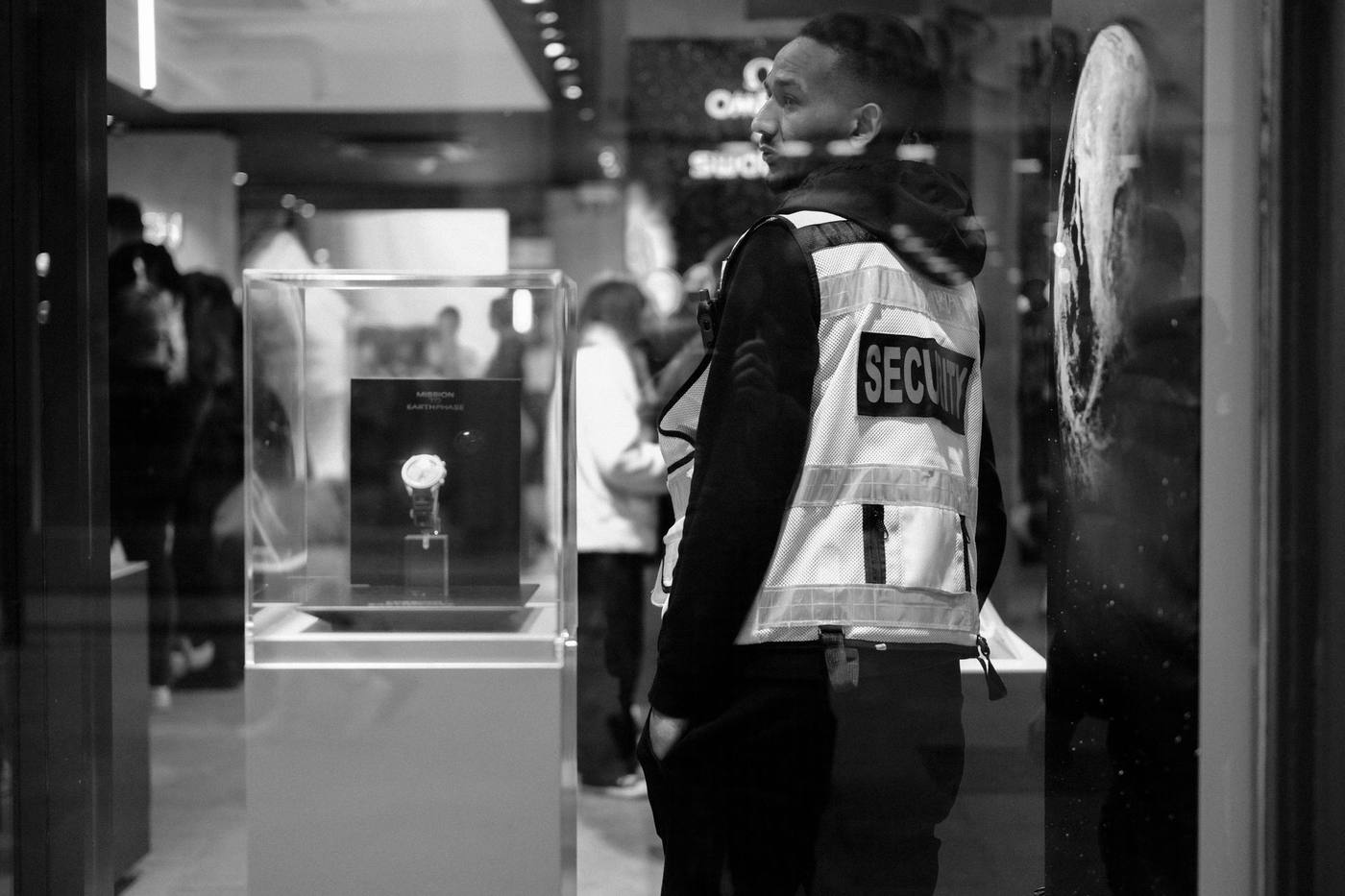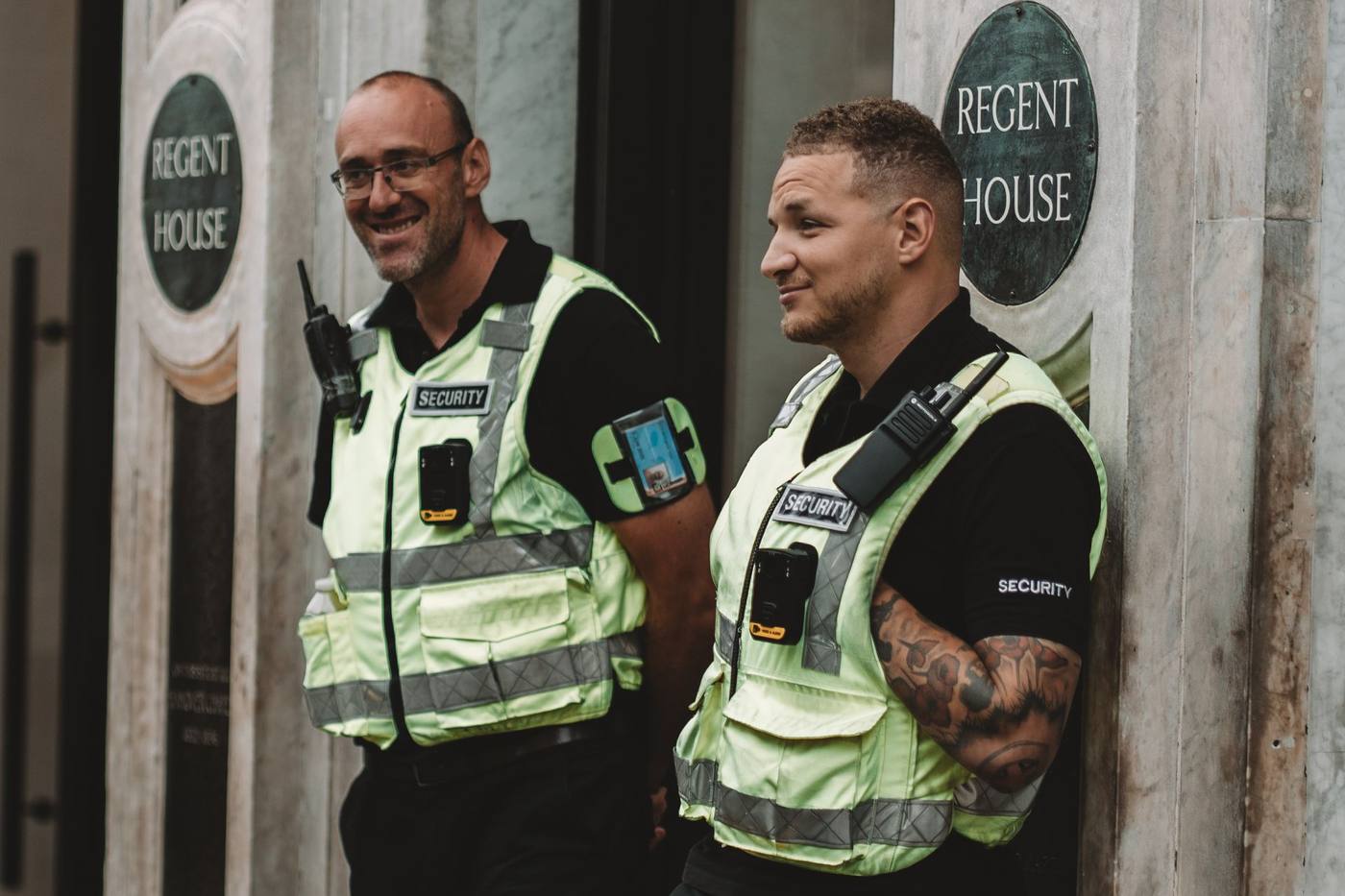


Public and semi-public commercial environments—such as shopping malls, town centers, plazas, and transit-adjacent retail districts—suffer heavily when plagued by Anti-Social Behavior (ASB). Persistent issues like loitering, public intoxication, vandalism, aggressive begging, and low-level harassment erode the public's perception of safety, depress foot traffic, and directly damage retail tenant revenues.
The Anti-Social Behavior Mitigation in Public Spaces program is designed for public space managers, retail business improvement district (BID) coordinators, municipal security teams, and law enforcement liaison officers. It teaches a balanced approach combining modern environmental design, strategic partnerships, and proactive, non-escalatory field techniques to reclaim and secure shared public areas.
Course Overview
This program focuses on creating vibrant, welcoming, and safe environments using a mix of situational prevention, behavioral psychology, and practical community engagement.
Rather than relying purely on aggressive physical exclusion—which often simply shifts the problem elsewhere—participants will master the science of CPTED (Crime Prevention Through Environmental Design), build effective local multi-agency partnerships, and learn the verbal, tactical communication tools required to address and redirect disruptive individuals safely and humanely.
Course Objectives
By the end of this intensive training program, participants will be able to:
- Implement CPTED Principles: Apply physical design strategies (such as lighting, clear sightlines, and territorial reinforcement) to reduce the opportunities for ASB.
- Spot Early Disruptive Indicators: Read crowd and individual behaviors to identify escalating issues (such as intoxication, youth congregation friction, or territorial disputes) before they disrupt the public.
- Master Non-Escalatory Contact: Approach, engage, and redirect individuals exhibiting ASB using professional, respectful communication scripts.
- Structure Collaborative Partnerships: Coordinate joint operations with local government, social outreach networks, mental health teams, and police services.
- Apply Legal & Civil Tools: Utilize local public space protection orders, trespass notices, and reporting mechanisms systematically and ethically.
Benefits of the Training
For Trainees
- Expert Conflict Competence: Develop a highly sophisticated communication toolkit capable of diffusing hostility from intoxicated or highly agitated individuals.
- Strategic Problem-Solving: Learn to design preventative, long-term spatial and social solutions rather than simply reacting to repetitive daily incidents.
- Advanced Professional Profile: Acquire specialized skills at the intersection of urban design, community relations, and public safety.
For Employers
- Increased Foot Traffic & Revenue: Create a clean, welcoming, and safe environment that encourages families, tourists, and shoppers to stay longer.
- Lower Security Operating Costs: Reduce the wear, tear, and replacement costs associated with persistent vandalism, graffiti, and property damage.
- Outstanding Public Relations: Position your organization or business district as a proactive, ethical community leader that handles complex social issues professionally.
- Mitigated Liability Risks: Ensure security patrols engage with vulnerable populations within strict legal boundaries, eliminating allegations of harassment or force violations.
5-Day Course Outline & Practical Training Plan
This program combines environmental design theory and spatial analysis with intensive, reality-based field communication practice.
- 1
Day 1
The Anatomy of ASB & CPTED Foundations
Theoretical Modules
- Defining Anti-Social Behavior: Understanding its economic, social, and psychological impact on public spaces.
- The core principles of CPTED (Crime Prevention Through Environmental Design): Natural Surveillance, Access Control, Territorial Reinforcement, and Maintenance.
- The "Broken Windows" theory in modern urban management.
Hands-on / Practical Training
- The CPTED Spatial Audit: Working in small teams, delegates will conduct a live physical audit of a nearby public area or commercial plaza. They will map lighting levels, identify blind spots, analyze pedestrian flow bottlenecks, and present a practical "design-out" mitigation plan.
- 2
Day 2
Advanced Behavioral Profiling & De-escalation
Theoretical Modules
- The physical and verbal signs of substance impairment, mental health crises, and group-induced bravado.
- Establishing the "Social Baseline" of a public square or transit plaza.
- Proxemics (the study of personal space) and body language safety zones during initial contact.
Hands-on / Practical Training
- Contact & Distancing Drills: Trainees practice approaching simulated uncooperative individuals (e.g., highly boisterous youth groups or impaired individuals). They are graded on their approach angles, verbal introduction, hand placement, and maintenance of reaction-time distances.
- 3
Day 3
Tactical Communication & Redirecting Disruptive Behavior
Theoretical Modules
- Verbal de-escalation frameworks designed for public spaces: The "Ask-Explain-Present Options-Confirm" model.
- How to assertively enforce public rules (e.g., no skateboarding, no public drinking) without triggering defensive hostility.
- The art of "respectful relocation": Guiding individuals to move on while preserving their dignity.
Hands-on / Practical Training
- Interactive De-escalation Roleplay: Using real-world scenarios (e.g., a group blocking a shop entrance or an aggressive panhandler in a food court), trainees must approach, explain the space's guidelines, handle verbal pushback, and successfully resolve the situation without escalation.
- 4
Day 4
Multi-Agency Partnerships & Outreach Coordination
Theoretical Modules
- Designing a holistic "Safe Streets" network: Mapping out local resources (homeless shelters, substance abuse outreach, youth services).
- How to co-produce safety: Establishing rapid-referral processes to guide vulnerable individuals toward assistance rather than purely penal systems.
- Joint operations protocols with local police, municipal officers, and private security forces.
Hands-on / Practical Training
- Crisis Network Simulation: Trainees are presented with complex, chronic social scenarios (e.g., a public plaza experiencing a spike in unhoused congregation and drug activity). They must map out a joint response plan, allocating specific roles to social outreach, environmental crews, and enforcement officers.
- 5
Day 5
Civil Interventions, Reporting & Program Defensibility
Theoretical Modules
- The legal frameworks of public space orders: Trespass warnings, civil exclusion notices, and local public space protection directives.
- Gathering admissible evidence: Documenting persistent ASB patterns, writing objective logs, and preparing case files for civil injunctions.
- Post-contact debriefs and personal stress management for patrol teams.
Hands-on / Practical Training
- The Injunction Hearing & Debrief: Trainees analyze a simulated chronic ASB offender file. They must compile the incident reports, present a formal evidence brief to support a simulated "Civil Exclusion Order" to a mock judicial panel, and undergo cross-examination regarding their enforcement objectivity and ethics.
- Final Course Assessment & IASS Certification Review.