High-traffic retail environments present unique risks that can quickly lead to medical emergencies. From slips, trips, and falls on slick floors to sudden cardiac arrests, severe cuts from unpacking box cutters, or customer panic during crowds, retail staff are the true first responders. How your team reacts in those critical first minutes determines not only the health outcomes of the individual but also the legal and reputational standing of your business.
The Retail First Aid & Incident Response program is designed specifically for floor managers, retail associates, and on-site security personnel. It bridges the gap between basic clinical first aid training and the operational realities of managing medical crises on a busy sales floor.
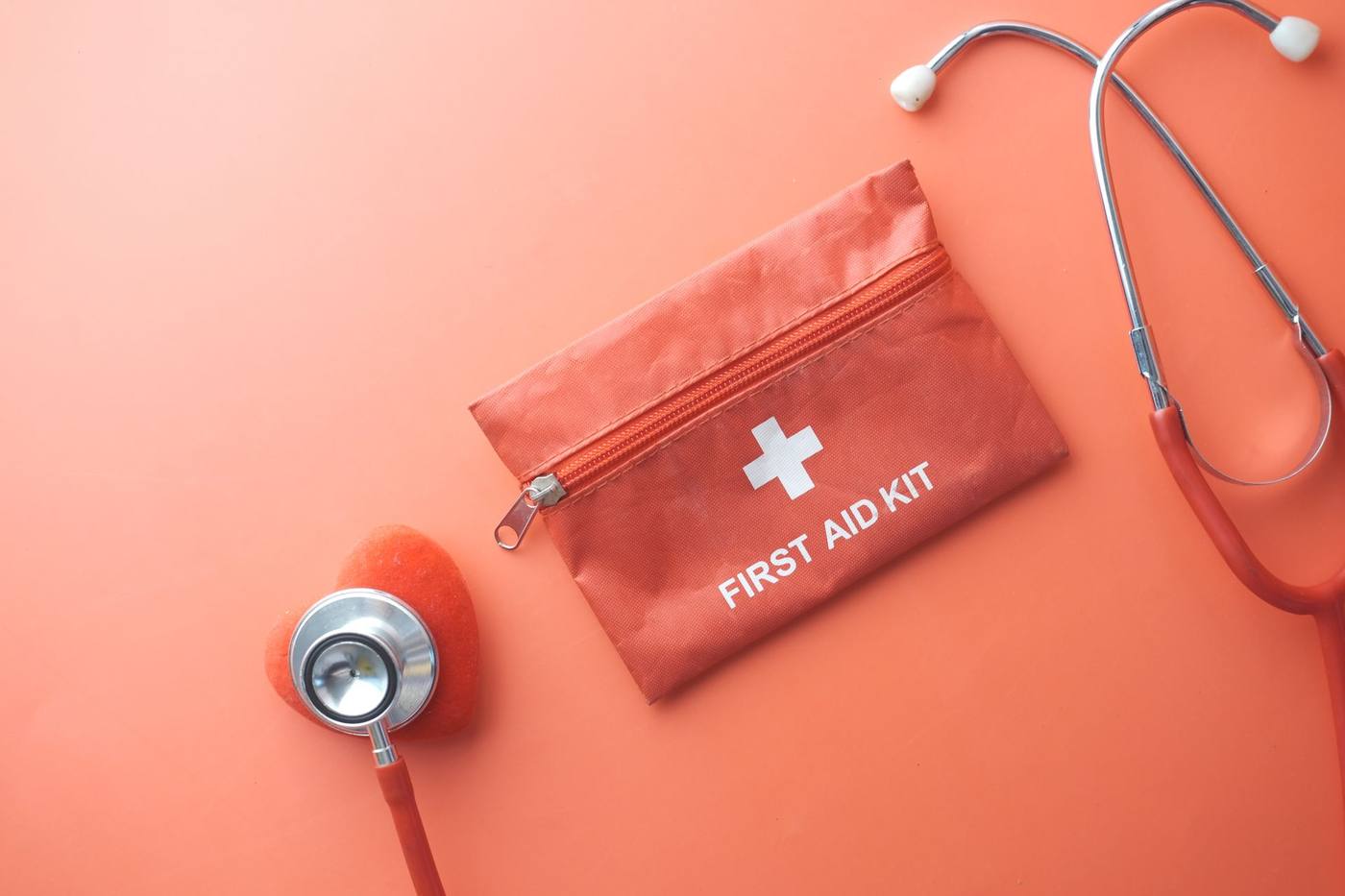
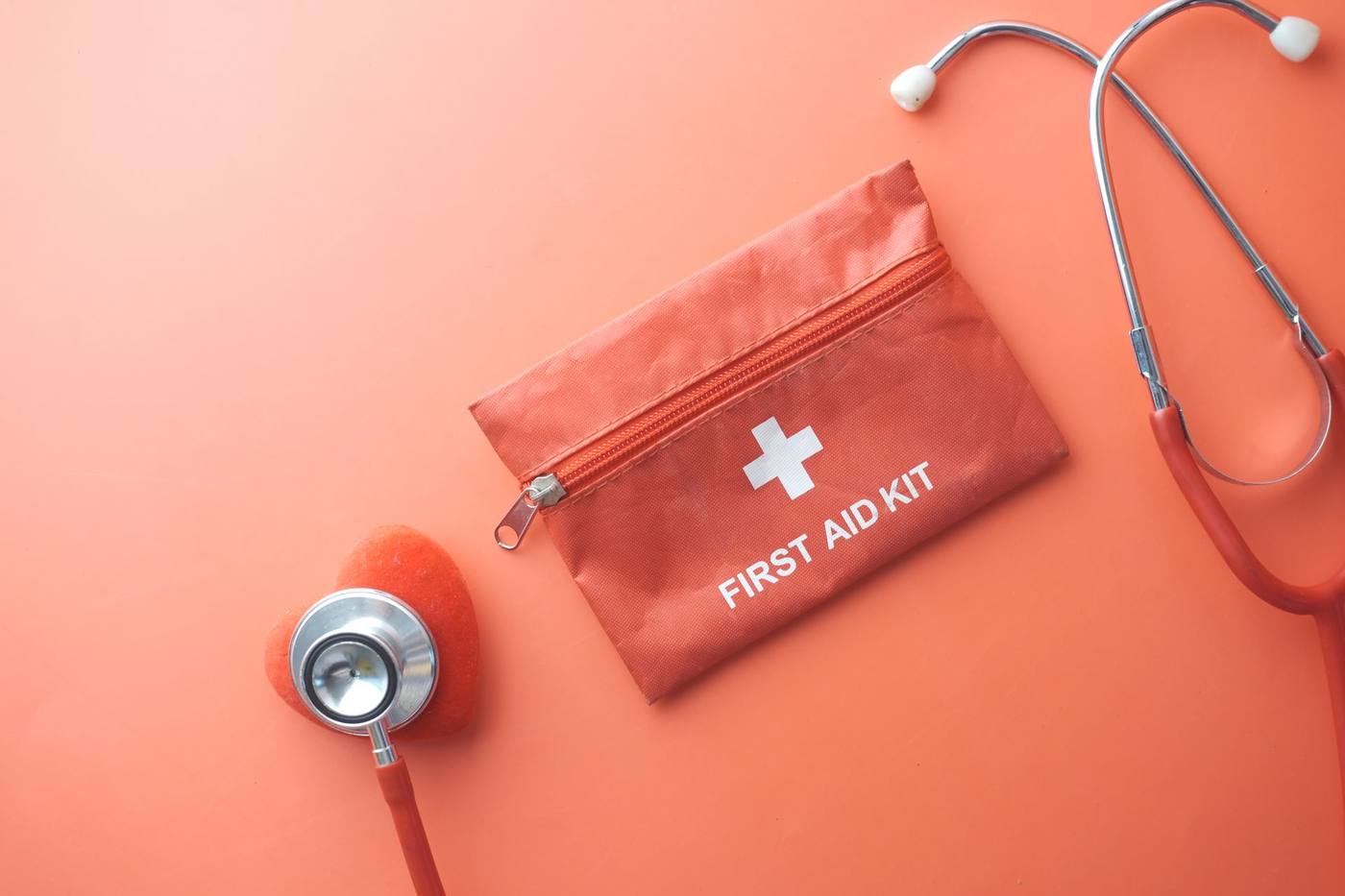
A dedicated store first aid station equipped for rapid medical response. Source: Caffine Cowboy / Getty Images
Course Overview
This program provides a practical, step-by-step masterclass in assessing, stabilizing, and reporting medical incidents within a commercial footprint.
Participants will master cardiopulmonary resuscitation (CPR), automated external defibrillator (AED) operation, rapid bleed control, and spinal stabilization protocols. Crucially, the program also covers incident documentation and liability management—teaching staff how to care for casualties while protecting the business from false claims or regulatory violations.
Course Objectives
By the end of this intensive training program, participants will be able to:
- Assess Scene Safety: Instantly evaluate an incident scene to protect the casualty, customers, and staff from secondary hazards (e.g., live wires, wet floors, or escalating violence).
- Perform Life-Saving Interventions: Administer high-quality CPR, deploy an AED within the critical 3-minute window, and apply tourniquets or pressure dressings to control catastrophic bleeding.
- Manage Common Retail Injuries: Effectively treat burns, fractures, head trauma, allergic reactions, and severe lacerations typical of warehousing and shopping floor spaces.
- Implement Crowd & Space Management: Safely clear crowds, preserve the casualty's privacy, and establish clear entry paths for arriving municipal paramedics.
- Document Incidents Legally: Complete objective, accurate retail incident logs that serve as legally defensible records in the event of insurance audits or civil litigation.
Benefits of the Training
For Trainees
- Essential Life-Saving Skills: Gain the deep practical confidence required to take charge and save lives during a cardiac, respiratory, or trauma emergency.
- Stress Management: Learn how to regulate your own adrenaline and remain calm, clear-headed, and authoritative under intense pressure.
- Professional Versatility: Acquire globally recognized first aid and workplace safety credentials that elevate your value across all service, corporate, and industrial sectors.
For Employers
- Reduced Liability & Litigation Risk: Mitigate expensive "slip and fall" claims by ensuring injuries are treated correctly, documented immediately, and managed with strict professional protocols.
- Regulatory Compliance: Keep your workplace in full alignment with local occupational health and safety regulations (such as OSHA or HSE standards).
- Positive Brand Reputation: Demonstrate a visible, active commitment to customer safety, building trust and loyalty among your shopper base.
- A Protected Workforce: Safeguard your employees by training peer groups to react instantly during back-of-house or stockroom accidents.
5-Day Course Outline & Practical Training Plan
This program combines rigorous clinical theory with daily, high-stress physical simulations on a simulated retail sales floor.
- 1
Day 1
Scene Assessment, Triaging & Primary Surveys
Theoretical Modules
- The psychology of panic in public spaces and how to establish situational command.
- The "DRSABCD" action plan (Danger, Response, Send for help, Airway, Breathing, CPR, Defibrillation).
- Legal protections for first responders: Understanding "Good Samaritan" laws and duty of care in a retail setting.
Hands-on / Practical Training
- Live Scene Management Drills: Trainees are placed on a simulated busy sales floor where a customer has collapsed. They must secure the area, direct onlookers to stand back, perform a primary assessment, and assign specific bystanders to call emergency services.
- 2
Day 2
Cardiopulmonary Resuscitation (CPR) & AED Deployment
Theoretical Modules
- Anatomy and physiology of sudden cardiac arrest: The critical "Chain of Survival."
- Adult, child, and infant CPR protocols (compressions-only vs. standard rescue breaths).
- Operating Automated External Defibrillators (AEDs) safely in wet or metallic environments.
Hands-on / Practical Training
- High-Fidelity CPR/AED Drills: Using smart, feedback-enabled mannequins, trainees will practice continuous, high-quality chest compressions. They will run timed drills where they must locate, retrieve, and successfully deploy the store's AED within a strict 120-second target.
- 3
Day 3
Trauma Care & Managing Environmental Hazards
Theoretical Modules
- Controlling catastrophic bleeding: Direct pressure, packing wounds, and safe tourniquet application.
- Managing slips, trips, and falls: Recognizing head, neck, and spinal trauma.
- Handling fractures, dislocations, and crush injuries from stockroom accidents.
Hands-on / Practical Training
- The "Bleed & Fall" Trauma Lab: Trainees manage simulated severe trauma scenarios (e.g., an employee falling from a stockroom ladder, or a customer severely cut by shattered glass). They must apply trauma dressings, stabilize limbs, and practice neck mobilization techniques.
- 4
Day 4
Medical Emergencies & Vulnerable Shopper Care
Theoretical Modules
- Recognizing and treating medical crises: Heart attacks, strokes, seizures, diabetic emergencies (hypoglycemia), and asthma attacks.
- Managing anaphylaxis: Identifying severe allergic reactions and administering epinephrine auto-injectors (EpiPens).
- Special care considerations for elderly shoppers, pregnant women, and young children.
Hands-on / Practical Training
- Hypothetical Medical Scenario Matrix: Using roleplayers, trainees are presented with dynamic medical emergencies (e.g., a customer exhibiting stroke symptoms in an aisle, or a child experiencing an anaphylactic reaction in a food court). Trainees must rapidly diagnose the issue and administer the correct targeted aid.
- 5
Day 5
Incident Reporting, Liability Mitigation & Handover
Theoretical Modules
- Writing "court-ready" incident reports: Describing physical symptoms, statements, and actions taken without using subjective bias or admitting premature liability.
- Paramedic handovers: Structuring clear, concise "MIST" verbal reports (Mechanism, Injury, Signs, Treatment).
- Post-incident store recovery: Biohazard cleanup protocols and supporting affected staff members.
Hands-on / Practical Training
- The Mock Trial & Paramedic Handoff: Trainees manage a complex, multi-injury scenario. They must stabilize the casualty, deliver a fast verbal report to arriving "paramedics" (the instructors), clean up the mock scene safely, and write a comprehensive store incident report that is evaluated for legal defensibility.
- Final Course Assessment & IASS Certification Review.