
Course Description
Building essential security awareness by preparing personnel to recognize security threats, manage risks, respond effectively to emergencies, and operate safely in challenging environments.
About the United Nations & NGOs Program
The United Nations (UN) & NGOs Safety and Security Training program is designed to prepare humanitarian personnel, field security officers, project managers, emergency responders, and international development professionals with the knowledge and practical skills required to operate safely and effectively in complex, unstable, and high-risk environments. The course is based on internationally recognized security principles and reflects the safety and security practices adopted by the United Nations Department of Safety and Security (UNDSS) and leading humanitarian organizations. It focuses on protecting personnel, beneficiaries, assets, and operations while enabling the successful delivery of humanitarian and development missions.
Participants will learn how to identify and assess security threats, conduct security risk assessments, implement security management plans, and apply personal safety measures in field operations. The program covers security awareness, travel security, movement planning, hostile environment awareness, crisis and emergency response, incident reporting, communications security, convoy operations, first response to medical emergencies, evacuation procedures, and coordination with UN agencies, local authorities, and humanitarian partners. It also addresses terrorism, civil unrest, armed conflict, kidnapping, landmine awareness, cyber security, duty of care, and business continuity planning for humanitarian operations.
The course emphasizes practical learning through interactive workshops, case studies, tabletop exercises, field simulations, and realistic scenarios based on humanitarian missions, disaster response operations, refugee camps, peacekeeping environments, and emergency deployments. Participants will strengthen their situational awareness, decision-making, communication, and leadership skills while learning to manage security risks and maintain operational effectiveness under challenging conditions.
Upon successful completion of the program, participants will be able to implement effective security management systems, enhance personal and organizational security, respond confidently to security incidents, and contribute to the safe delivery of humanitarian and development activities. The course is suitable for UN personnel, NGO staff, Humanitarian Aid Workers, Field Security Officers, Project Managers, Logistics Coordinators, Emergency Response Teams, Peacekeeping Personnel, Development Professionals, and anyone responsible for safety and security in international field operations.
All UN & NGOs Courses
- 01
 SSAFE (Safe and Secure Approaches in Field Environments)Preparing humanitarian and field personnel to operate safely in high-risk environments through security awareness, risk assessment, personal safety, emergency response, and incident management.
 - 02
 Information Security Awareness – FoundationalBuilding essential cybersecurity awareness by teaching personnel to recognize, prevent, and respond to common information security threats, protect sensitive data, and promote secure workplace practices.
 - 03
 Prevention of Sexual Exploitation and Abuse (PSEA)Promoting ethical conduct and safeguarding by preventing sexual exploitation and abuse, strengthening accountability, protecting vulnerable populations, and ensuring compliance with humanitarian and organizational standards.
 - 04
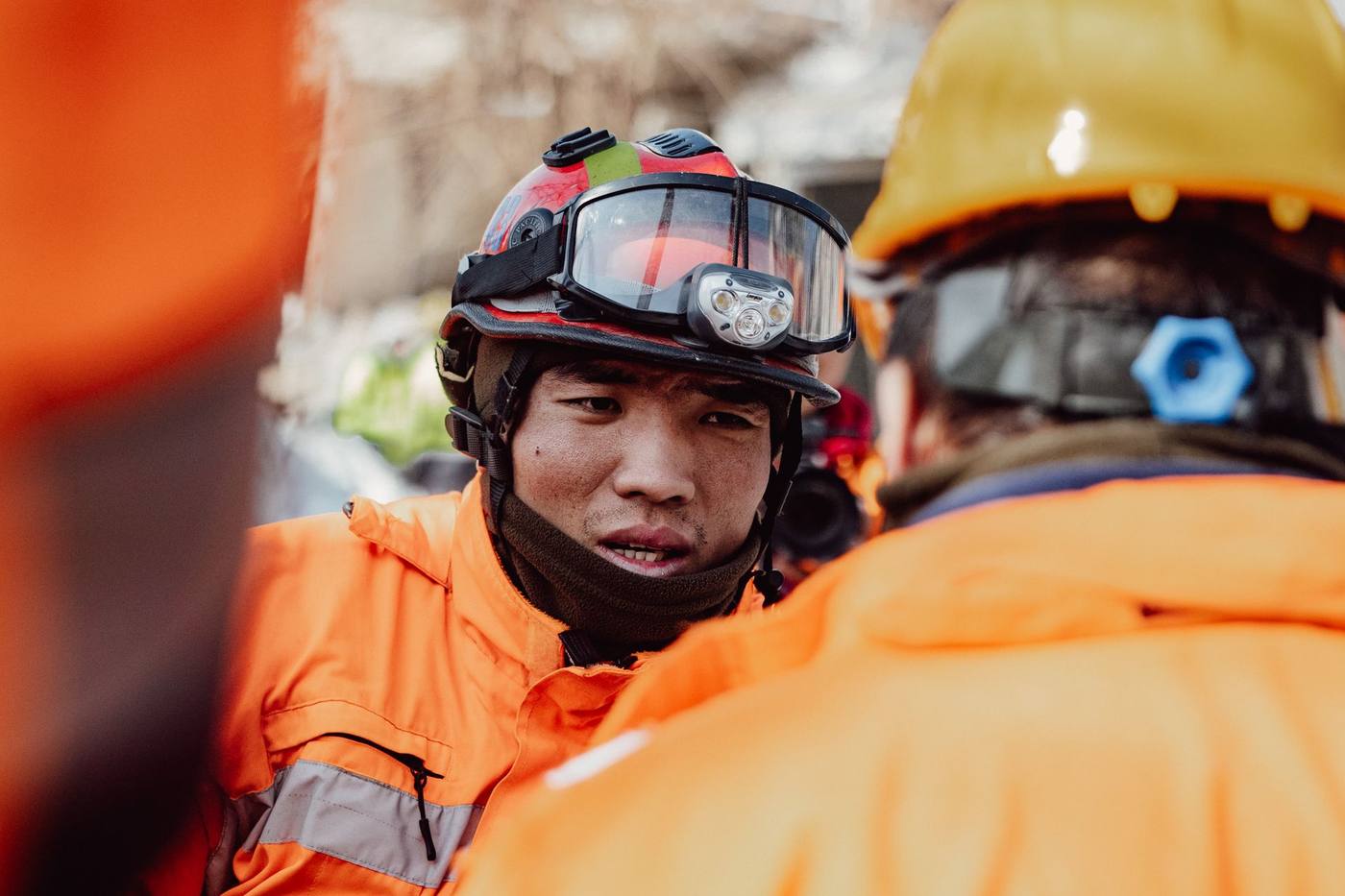 Crisis Management & Security AnalysisDeveloping the skills to assess security threats, manage crises effectively, coordinate emergency responses, and support informed decision-making to protect personnel, assets, and organizational operations.
 - 05
 Ethics and Integrity at the United NationsPromoting ethical leadership, integrity, accountability, and professional conduct while ensuring compliance with United Nations values, standards, and codes of ethics.
 - 06
 Combating Racism and Racial Discrimination in the WorkplacePromoting equality, diversity, and inclusion by preventing racism and racial discrimination, fostering respectful workplaces, and ensuring fair treatment for all employees.
 - 07
 BSAFE: Security awareness.Building essential security awareness by preparing personnel to recognize security threats, manage risks, respond effectively to emergencies, and operate safely in challenging environments.
 - 08
 Prevention of Fraud and Corruption in the United NationsStrengthening integrity and accountability by preventing fraud and corruption, promoting ethical decision-making, and ensuring compliance with United Nations governance and anti-corruption standards.
 - 09
 UN Responsibility to Protect: Human rights training from OHCHREnhancing understanding of the Responsibility to Protect (R2P) by promoting human rights, preventing atrocity crimes, and supporting international protection frameworks in line with United Nations principles.