
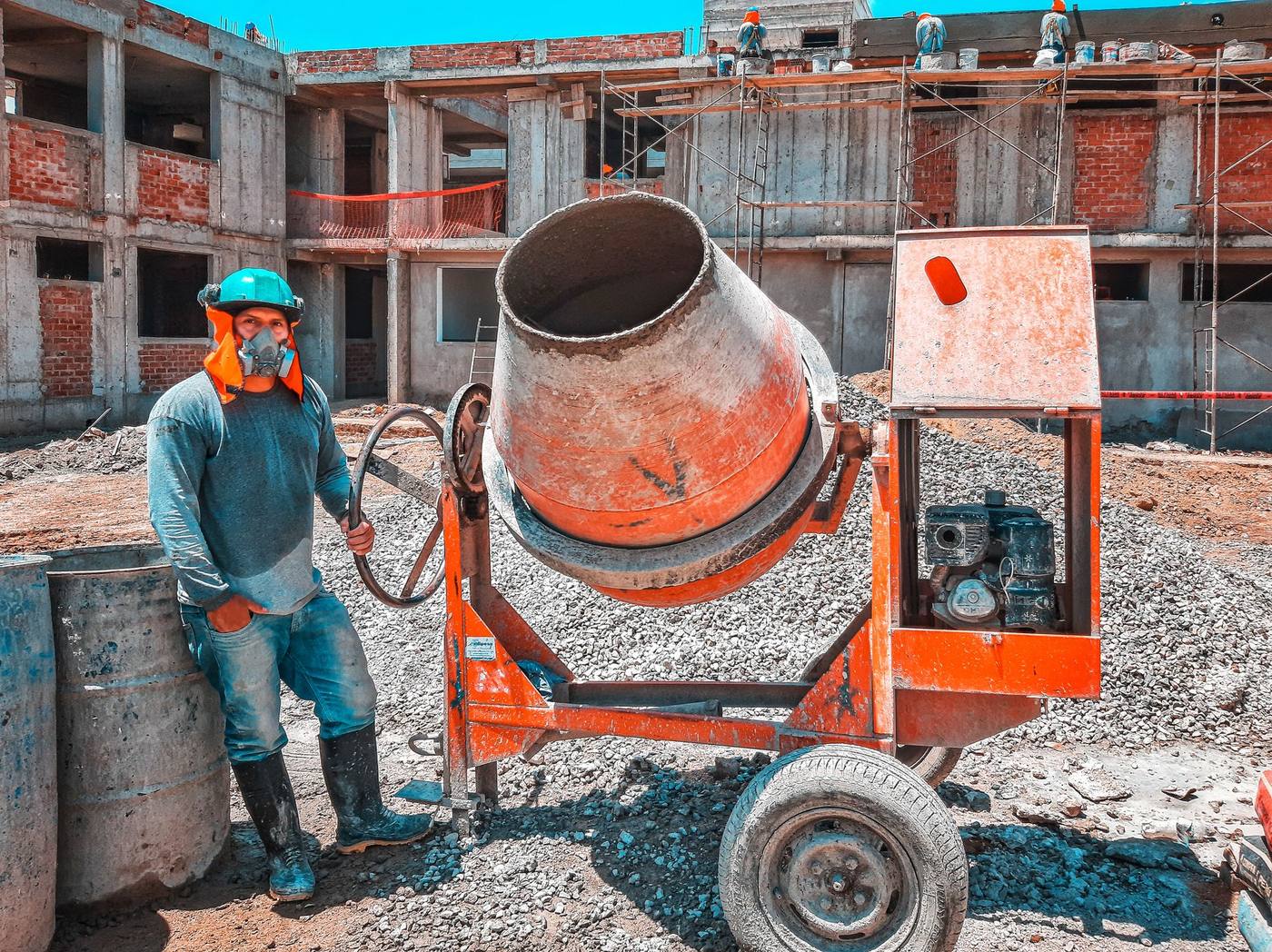

A construction site is a dynamic, fast-evolving, and inherently high-risk environment. Every day, a rotating flow of sub-contractors, delivery drivers, inspectors, and laborers enter and exit the property. Without strict access control, these sites are vulnerable to expensive equipment theft, copper and material diversion, safety violations by untrained individuals, and catastrophic liability claims.
The Construction Site Access Control Management program is a specialized, technical training course designed for Construction Project Managers, Site Security Coordinators, HSE Officers, Loss Prevention Leads, and Gate Supervisors. This course bridges the gap between physical perimeter layout, digital workforce enrollment, and on-site hazard prevention—giving your team the operational tools and compliance frameworks needed to secure the site boundaries without slowing down project delivery.
Course Overview
Managing access at a busy construction site requires a balance of speed and strict compliance. If the entry process takes too long, deliveries fall behind schedule; if it is too lax, un-inducted workers bypass safety briefings, exposing the project to major regulatory fines.
Over 5 intensive days, this course teaches delegates how to design, install, and manage professional access control systems. Trainees will learn how to set up biometric and RFID entry checkpoints, manage temporary visitor and sub-contractor permissions, enforce safety compliance at the gate (such as checking mandatory PPE), protect valuable assets from internal and external theft, and lead swift, organized evacuations in an emergency.
Course Objectives
By the end of this intensive training program, participants will be able to:
- Design a Multi-Layered Perimeter Control Plan: Establish secure temporary fencing, vehicle gates, and pedestrian turnstiles optimized for construction layouts.
- Implement Workforce Enrollment Systems: Establish strict onboarding protocols, including verifying valid trade certifications, safety inductions, and right-to-work credentials.
- Leverage Modern Access Technologies: Set up and manage biometric, facial recognition, and RFID-based mobile access control networks.
- Mitigate Material & Tool Theft: Establish delivery-verification procedures, lockbox protocols, and secure storage yards to prevent copper and asset loss.
- Enforce Safety Checks at Entry Points: Program gate systems or train guards to visually verify PPE compliance before letting personnel pass.
- Coordinate Emergency Mustering: Leverage real-time, digital gate rosters to account for all workers on-site during a major evacuation.
Benefits of the Training
For Trainees
- In-Demand Asset Protection Skills: Master the technical and physical side of modern construction security, opening up high-paying roles on major infrastructure projects.
- A Safety-First Leadership Profile: Gain deep knowledge of how physical security directly supports health and safety (HSE) on-site, making you a vital asset to any project team.
- Technology Management Competency: Learn to deploy, troubleshoot, and manage cloud-based mobile access systems and integrated CCTV analytics.
For Employers
- Zero-Incident Safety Compliance: Prevent un-inducted, uninsured, or untrained individuals from slipping onto the job site and causing accidents.
- Drastically Reduced Asset Theft: Protect valuable tools, fuel, and raw materials from both organized external theft rings and internal diversion.
- Accurate Labor and Audit Tracking: Maintain perfect digital records of exactly who was on-site, when, and for how long, simplifying sub-contractor billing disputes.
- Seamless Regulatory Audits: Stay completely aligned with national health and safety executive regulations, local building authority standards, and insurance mandates.
5-Day Course Outline & Practical Training Plan
This program combines site planning workshops, technical access-hardware labs, and realistic security breach and evacuation drills.
- 1
Day 1
Site Perimeter Design & Physical Access Barriers
Theoretical Modules
- The construction site threat landscape: Theft patterns, trespassing, and activism.
- Designing the physical perimeter: Selecting temporary fencing, visual barriers, and vehicle gates.
- Turnstile engineering: Full-height turnstiles vs. swing gates. Calculating pedestrian flow rates at peak start times.
Hands-on / Practical Training
- The Perimeter Layout Workshop: Trainees are given a mock blueprints packet for a multi-story urban construction site. They must design the physical perimeter, placing pedestrian gates, vehicle checkpoints, and delivery lanes to minimize security blind spots.
- 2
Day 2
Workforce Onboarding, Inductions, & Digital Credentials
Theoretical Modules
- The compliance-first entry model: Linking access rights directly to safety inductions and certifications.
- Digital enrollment systems: Registering RFID badges, key fobs, and mobile credentials.
- Managing temporary access: One-day delivery drivers, inspectors, and specialized engineers.
Hands-on / Practical Training
- The "No Induction, No Access" Lab: Trainees operate a mock digital enrollment station, processing sub-contractors with varying levels of paperwork. They must spot expired safety certifications, falsified IDs, and successfully register legitimate workers in the access system database.
- 3
Day 3
Biometrics, CCTV, & Access Tech Integration
Theoretical Modules
- Biometrics on active sites: Selecting the right systems (facial recognition, fingerprint, or iris scanners) to handle dusty, wet, or cold outdoor environments.
- Integrated CCTV analytics: Thermal cameras, loitering detection, and license plate recognition (LPR) for delivery trucks.
- Power management: Running solar-powered mobile security trailers and establishing backup batteries for off-grid sites.
Hands-on / Practical Training
- The Security Trailer Setup: Trainees set up a mock mobile gate checkpoint, configuring outdoor card readers, pairing security cameras, and linking the terminal to a central, cloud-based monitoring dashboard.
- 4
Day 4
Delivery Gate Operations & Material Asset Protection
Theoretical Modules
- Securing the delivery gate: Validating shipping manifests, checking cargo seals, and matching invoices to physical goods.
- Mitigating the "inside job": Securing bulk fuel tanks, laydown yards, copper storage, and tool lockers.
- Implementing visual "PPE Verification" barriers at entry turnstiles.
Hands-on / Practical Training
- The Delivery Intercept Drill: Trainees manage a vehicle gate scenario. They must process a delivery driver who presents incorrect paperwork and displays suspicious behavior, safely holding the vehicle while resolving the discrepancy.
- 5
Day 5
Evacuation Rostering, Crisis Response, & Certification
Theoretical Modules
- Using access control data for emergency response: Real-time digital muster rosters.
- Handling severe incidents: Active structural collapses, hazardous leaks, or extreme weather evacuations.
- Liaising with emergency services: Handing over site maps, master override keys, and accurate headcounts.
Hands-on / Practical Training
- The Full-Scale Muster Simulation: A simulated emergency (e.g., a gas leak) is triggered on a mock job site. Trainees must execute a site-wide evacuation, pull up the digital roster, direct workers to designated assembly points, and generate an accurate missing-person report within a strict, high-pressure timeline.
- Final Course Assessment & IASS Certification Review.