
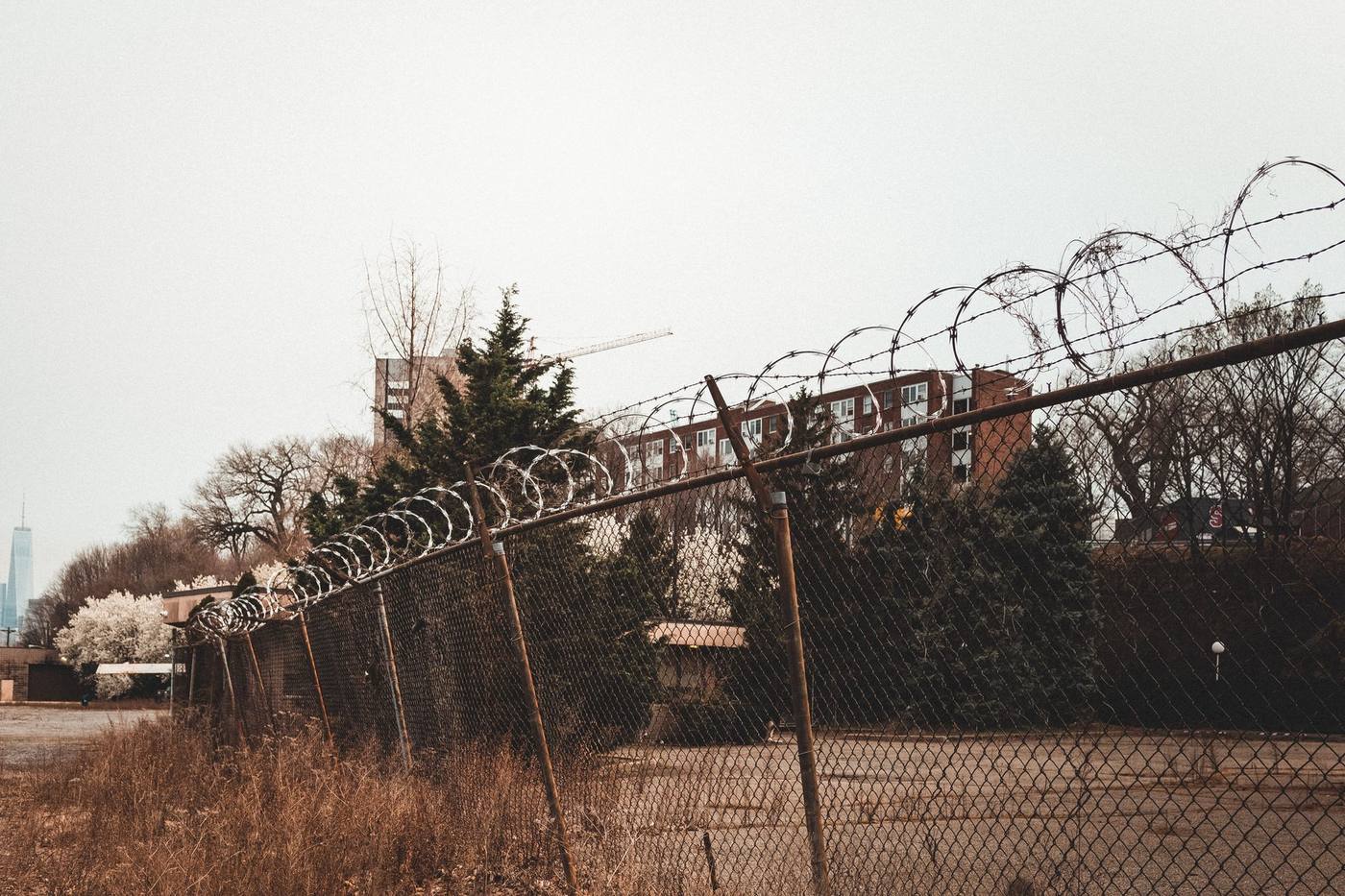
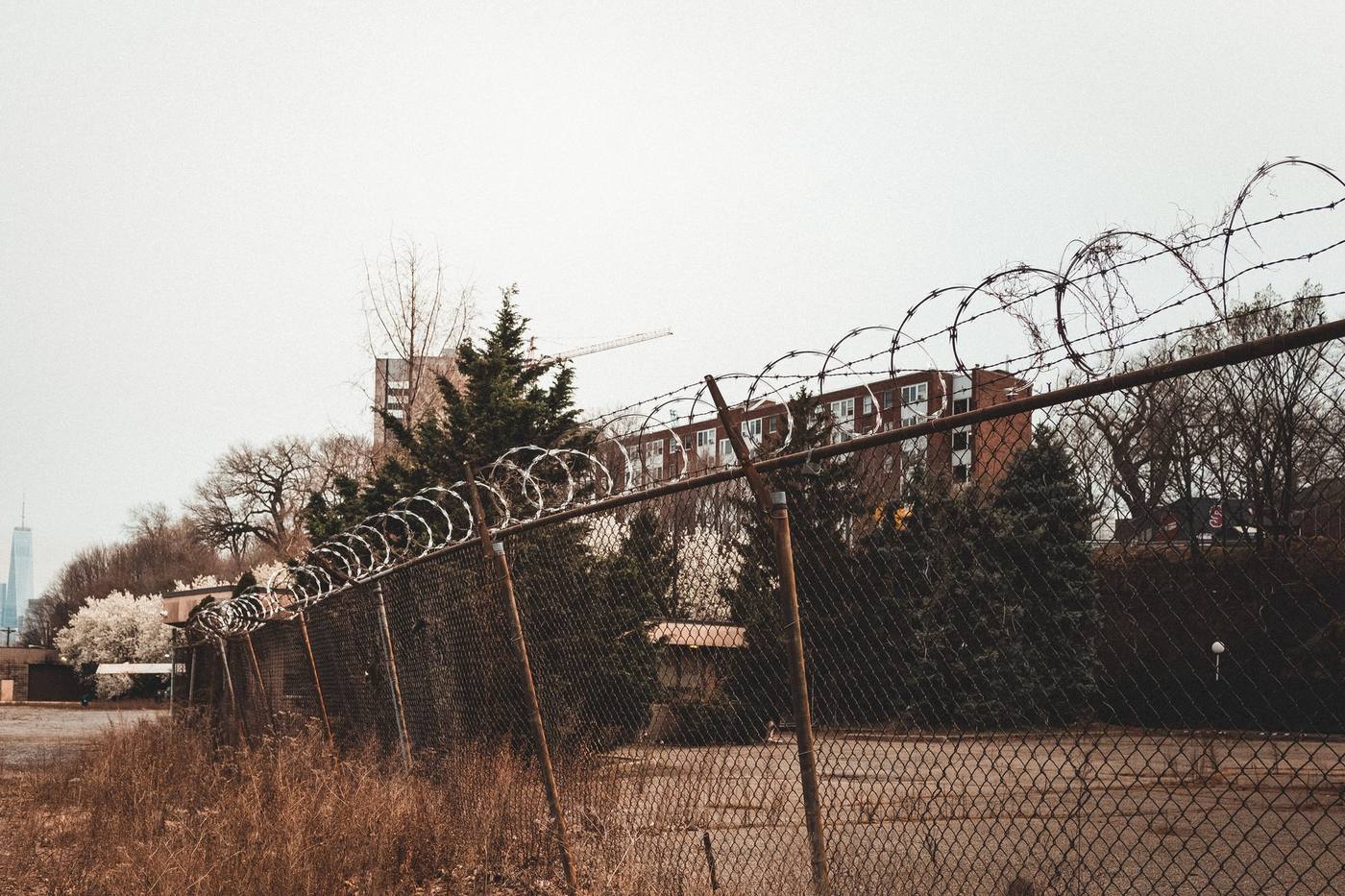
Securing assets in remote, isolated, or harsh terrain—such as desert extraction plants, off-grid mining operations, border-adjacent sub-stations, and wilderness telecommunications masts—presents a unique set of tactical challenges. In these environments, municipal law enforcement or emergency responders can be hours away, power and cellular networks are often unstable, and security forces must withstand extreme weather while maintaining total perimeter vigilance against trespassers, vandals, and organized criminals.
The Remote Site & Perimeter Security Excellence program is a technical, field-focused certification course designed for Site Security Managers, Patrol Leaders, Physical Protection Engineers, Infrastructure Risk Officers, and Logistics Coordinators. This program blends cutting-edge off-grid monitoring technologies with tactical patrol strategies and self-reliant emergency response protocols—equipping your security leadership with the skills to design, build, and defend resilient perimeters far from civilization.
Course Overview
In remote operations, a passive perimeter fence is nothing more than a minor delay. When assistance is far away, the security team on the ground must act as their own first responders, relying on early detection, automated warning systems, and robust defensive planning to handle threats independently.
Over 5 intensive days, this course teaches delegates how to establish an active, multi-tiered perimeter. Participants will master long-range off-grid sensor integration, tactical perimeter layout design, remote power management, mobile patrol deployment in harsh terrain, and emergency survival and lockdown tactics when cut off from external support.
Course Objectives
By the end of this intensive training program, participants will be able to:
- Audit Isolated Site Vulnerabilities: Map structural and topographical weaknesses in rural, mountain, or desert facilities.
- Design Multi-Tiered Detection Perimeters: Combine radar, microwave barriers, seismic ground sensors, and fiber-optic fence lines.
- Manage Remote Off-Grid Power Systems: Implement solar, wind, battery, and hybrid generator backups for uninterrupted security operations.
- Conduct Tactical Patrols & Vehicle Intercepts: Plan secure patrol routes and perform safe vehicle intercepts under isolation.
- Incorporate UAV / Drone Reconnaissance: Deploy autonomous and piloted drone surveillance for rapid alarm verification over vast areas.
- Lead Self-Sufficient Crisis Containment: Manage medical emergencies, active intrusions, or facility lockdowns during prolonged communication blackouts.
Benefits of the Training
For Trainees
- Specialized Off-Grid Competency: Develop a highly respected, resilient security profile tailored specifically to heavy industry, mining, and oil & gas operations.
- Practical Field Leadership: Learn to manage high-risk, isolated security scenarios confidently, making vital safety decisions with limited external data.
- Modern Technical Mastery: Learn to deploy and coordinate advanced, autonomous surveillance systems and alternative-energy power grids.
For Employers
- Hardened Remote Site Defense: Stop perimeter breaches, asset theft, and vandalism before intruders can disrupt critical operations.
- Uninterrupted Security Operations: Protect your surveillance, communication, and locking systems from power grids failures or deliberate sabotage.
- Reduced Dependance on Emergency Services: Empower your local security staff to manage, contain, and de-escalate incidents entirely on-site.
- Protected Personnel & Assets: Ensure high-value staff and heavy machinery are guarded by a team capable of handling complex crises in remote areas.
5-Day Course Outline & Practical Training Plan
This program combines technical hardware design, field surveying workshops, and realistic tactical response and isolation scenarios.
- 1
Day 1
Remote Site Topography & Risk Assessment
Theoretical Modules
- The remote threat landscape: Land disputes, cross-border smuggling, sabotage, and wildlife hazards.
- Topographical security planning: Utilizing natural barriers, elevations, and dry riverbeds to aid defense.
- Calculating delay and response timelines when civil support is hours away.
Hands-on / Practical Training
- The Terrain Mapping Challenge: Trainees analyze topographic maps and satellite imagery of a mock remote mining site, identifying natural entry corridors, blind spots, and optimal locations for perimeter warning sensors.
- 2
Day 2
Advanced Sensors & Long-Range Detection Integration
Theoretical Modules
- Selecting the right sensors for harsh climates: Dealing with blowing sand, heavy snow, extreme temperatures, and vegetation movement.
- Technology breakdown: Active infrared beams, microwave barriers, seismic sensors, and fence-mounted acoustic lines.
- Long-range thermal imaging and automated radar tracking systems.
Hands-on / Practical Training
- The Sensor Placement Lab: Trainees set up and calibrate a series of outdoor microwave and seismic sensors, adjusting sensitivity settings to successfully detect mock intruders while ignoring environmental noise.
- 3
Day 3
Off-Grid Power Architecture & Communication Resilience
Theoretical Modules
- Designing off-grid power grids for remote security stations: Calculating load requirements for solar arrays, wind generators, and battery banks.
- Protecting remote communication networks: High-frequency (HF) radio systems, satellite links (SATCOM), and mesh Wi-Fi configurations.
- Defending off-grid power banks from physical tampering and extreme weather damage.
Hands-on / Practical Training
- The Power & Comm Collapse Simulation: Trainees must diagnose and bypass a mock power and communications blackout, restoring backup power to primary cameras and establishing a secondary satellite communication link under a strict time limit.
- 4
Day 4
Tactical Patrols, UAV Verification, & Vehicle Interception
Theoretical Modules
- Planning unpredictable patrol routes and avoiding ambush zones on remote access roads.
- Using tactical drones for automated perimeter flights and visual threat verification.
- Conducting safe, defensive vehicle checks and managing hostile drivers at access control points.
Hands-on / Practical Training
- The Alarm Verification & Intercept Drill: An alarm is triggered on a mock outer perimeter. Trainees must deploy a surveillance drone to locate the intruder, dispatch a patrol vehicle to the correct coordinates, and perform a tactical intercept of a mock trespassing vehicle.
- 5
Day 5
Prolonged Isolation Crisis, Lockdowns, & Command Handover
Theoretical Modules
- Commanding an Emergency Operations Center (EOC) during an active, multi-hour siege or extreme weather incident.
- Implementing site-wide lockdown protocols and secure safe-room procedures.
- Structured handover protocols for arriving military, border control, or air-ambulance forces.
Hands-on / Practical Training
- The Siege of Sector 4 Command Simulation: Working from a mock operations center, trainees must manage a fast-moving crisis involving a coordinated perimeter intrusion by multiple armed actors during a communications blackout. They must coordinate security forces, lock down critical facilities, manage casualties, and safely hand over the scene to arriving mock military units.
- Final Course Assessment & IASS Certification Award.