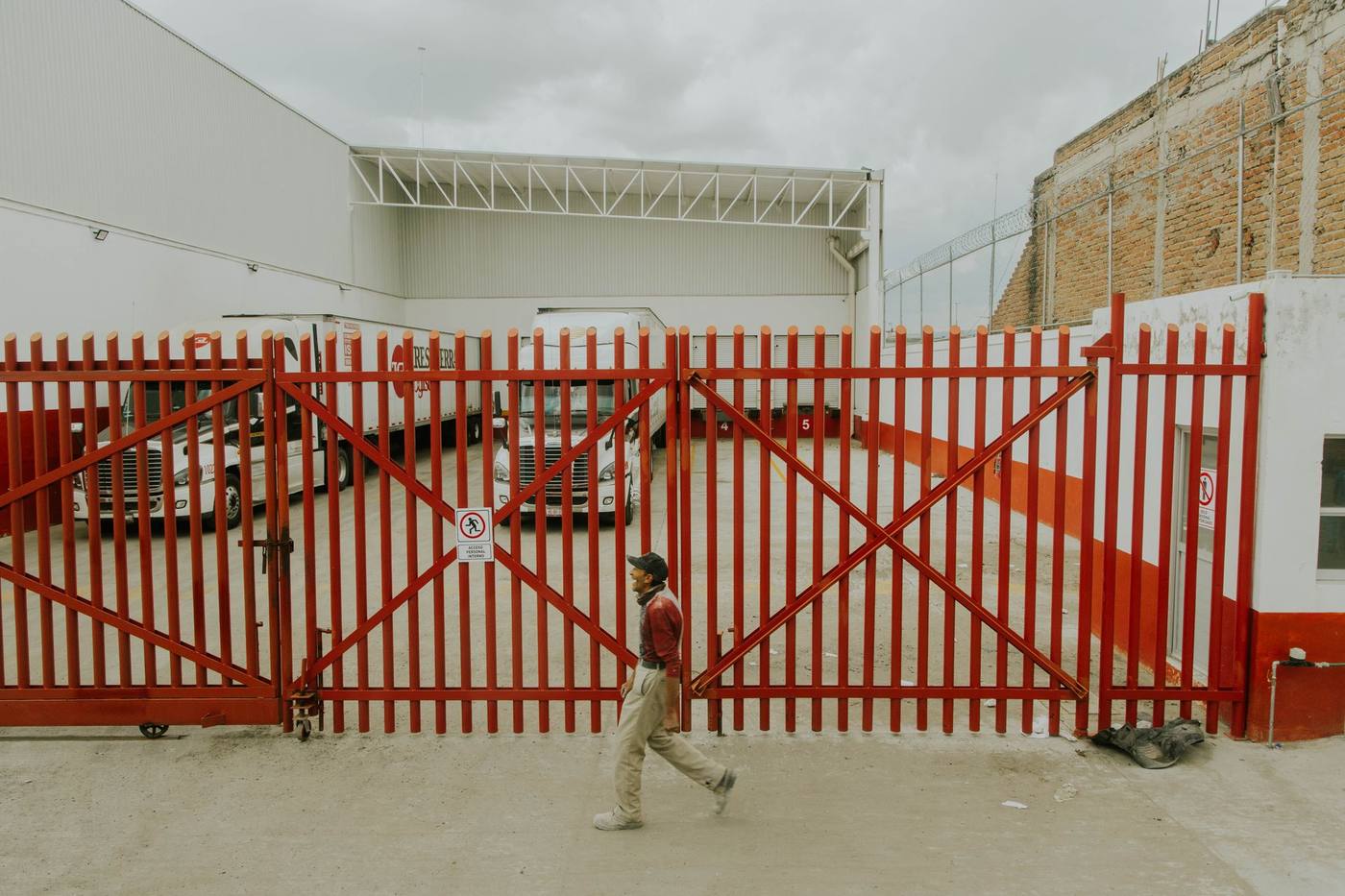
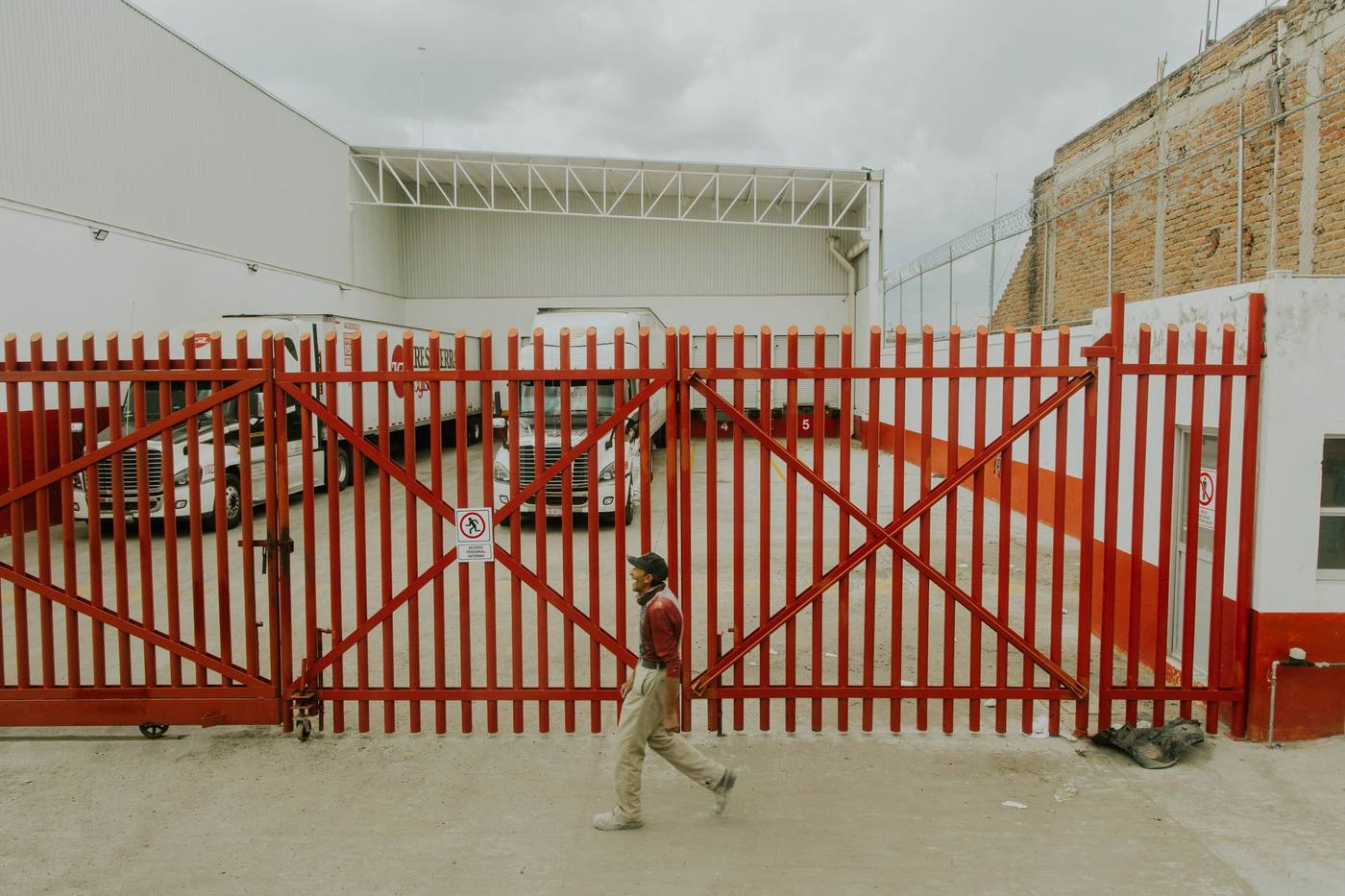
The gatehouse and weighbridge serve as the primary defensive line and financial filter for heavy industrial, agricultural, logistical, and waste management sites. Every year, millions of dollars in raw materials, refined fuels, scrap metals, and finished products pass through these critical transit points. Without rigorous, systematic controls, organizations face severe vulnerabilities: cargo diversion, weight manipulation fraud, unauthorized hazardous waste dumping, immigration breaches, and fatal traffic accidents within the facility.
The Gatehouse & Weighbridge Security Operations program is a highly practical, technical training course designed for Security Supervisors, Gatehouse Operators, Weighbridge Clerks, Loss Prevention Officers, and Logistics Managers. This program bridges the gap between physical vehicle security inspections, commercial fraud prevention, and safe heavy-vehicle traffic management—giving your frontline team the operational and analytical tools needed to enforce compliance and protect company revenue.
Course Overview
In heavy operations, a gatehouse operator must be much more than a simple gate-opener. They are legal gatekeepers, environmental monitors, and anti-fraud auditors. Safely managing multi-ton commercial vehicles while spot-checking complex shipping manifests demands a highly disciplined approach.
Over 5 intensive days, this program equips participants with the specialized skills needed to run a secure, legally compliant gatehouse. Trainees will master commercial document fraud detection, advanced physical vehicle search techniques, weighbridge safety and anti-manipulation technology, environmental hazard screening, and crisis response protocols for gatehouse breaches and hazardous cargo alerts.
Course Objectives
By the end of this intensive training program, participants will be able to:
- Audit Manifests & Commercial Documents: Spot discrepancies in Bills of Lading, delivery notes, and disposal permits to prevent material diversion.
- Conduct Systematic Vehicle Inspections: Execute high-security, safe vehicle search patterns on cargo holds, driver cabs, and undercarriages.
- Neutralize Weighbridge Fraud: Identify and prevent weight-manipulation tactics such as double-positioning, scale bridging, and wet-weight fraud.
- Manage Heavy Traffic Safety: Coordinate safe vehicle segregation, speed control, and clear marshalling procedures on site access roads.
- Detect Hazmat & Illegal Cargo: Visual screen loads for hazardous, undeclared, or contaminated materials attempting unauthorized entry.
- De-escalate Gatehouse Conflict: Respond professionally to non-compliant drivers, gatehouse intrusions, or medical and hazardous emergencies.
Benefits of the Training
For Trainees
- Specialized Logistics Security Expertise: Stand out in the industrial job market with a highly specialized, in-demand technical operational skillset.
- Advanced Anti-Fraud Competency: Learn to detect complex corporate and logistical fraud schemes, making you a vital financial protector for your employer.
- First-Responder Leadership: Gain the confidence and practical skills required to manage high-pressure incidents, from vehicle crashes to environmental leaks.
For Employers
- Eliminated Inventory & Financial Leakage: Protect your bottom line from systematic cargo theft, under-weighing fraud, and material diversion.
- Guaranteed Safety & Legal Compliance: Mitigate risk by preventing overloaded or non-compliant transport vehicles from entering public roads from your facility.
- Maximum Gatehouse Efficiency: Optimize traffic throughput and reduce truck turnaround times without compromising safety or security checks.
- Hardened Facility Defense: Turn your primary entry point into a highly professional, alert shield capable of repelling threats before they enter your premises.
5-Day Course Outline & Practical Training Plan
This program combines physical inspection workshops, digital weighbridge database training, and high-intensity incident simulation drills.
- 1
Day 1
Gatehouse Architecture, Access Control, & Manifest Auditing
Theoretical Modules
- The strategic role of the gatehouse: Restricting unauthorized entry, vetting workers, and enforcing HSE standards.
- Anatomy of a shipping manifest: Analyzing Bills of Lading, delivery notes, customs declarations, and waste transfer forms.
- Spotting "paperwork anomalies": Mismatched seals, invalid registration numbers, and suspicious transport routes.
Hands-on / Practical Training
- The Document Forgery Lab: Trainees analyze a series of mock transport manifests, identifying subtle indicators of fraud, altered weights, and unauthorized cargo declarations under time constraints.
- 2
Day 2
Advanced Physical Vehicle & Cargo Search Techniques
Theoretical Modules
- Legal boundaries of search: Right-of-entry searches, consent, and evidence preservation.
- HSE safety standards for searches: Danger zones around heavy machinery, blind spots, and fall protection.
- Systematic vehicle inspection protocols: Cab inspection, chassis undercarriage, trailer seals, and void spaces.
Hands-on / Practical Training
- The Vehicle Search Challenge: Working on a mock commercial flatbed and a closed box-truck, trainees use mirrors, tactical torches, and endoscopes to locate hidden contraband, illegal passengers, and diverted materials planted by the instructors.
- 3
Day 3
Weighbridge Operations, Technology, & Anti-Fraud Audits
Theoretical Modules
- How industrial weighbridges work: Load cells, instrumentation, and software databases.
- Weighbridge manipulation tactics: Scale bridging, double-positioning, light-axle tricks, and internal operator collusion.
- Integrating security technology: Automatic Number Plate Recognition (ANPR), axle-scales, and vehicle-contour scanners.
Hands-on / Practical Training
- The Weighbridge Fraud Hunt: Trainees operate a mock digital weighbridge station. Instructors attempt multiple real-world vehicle positioning tricks to artificially lower or raise vehicle weights. Trainees must identify the manipulation and correct the scale readings.
- 4
Day 4
Traffic Management, Hazmat Detection, & Environmental Safety
Theoretical Modules
- Developing site traffic rules: Axle-weight limits, speed limits, vehicle segregation (heavy trucks vs. passenger cars), and marshalling zones.
- Screening for environmental and hazardous contaminants: Visual indicators of leaks, radioactive screening alerts, and chemical odors.
- Managing driver-compliance: Alcohol and drug testing protocols at the gatehouse.
Hands-on / Practical Training
- The Hazmat Gatehouse Intervention: Trainees respond to a simulated incoming truck displaying a leaking IBC container, requiring them to immediately halt traffic, secure the spill perimeter, identify the chemical using GHS cards, and coordinate emergency response.
- 5
Day 5
Critical Incident Management & Final Assessment
Theoretical Modules
- Commanding gatehouse crises: Forced entries, hostile drivers, protests, and medical emergencies.
- Liaising with arriving police, commercial vehicle inspectors, and municipal fire services.
- Writing defensible incident reports and preserving physical gatehouse evidence.
Hands-on / Practical Training
- The High-Pressure Gatehouse Siege Drill: Trainees manage a complex scenario involving a driver who refuses to exit their vehicle, blocks the weighbridge, and creates an angry traffic queue, while a secondary alarm indicates a physical breach at the pedestrian gate. Trainees must de-escalate the driver, secure the gate, and manage communication with senior site management.
- Final Practical & Written Examination and IASS Certification.