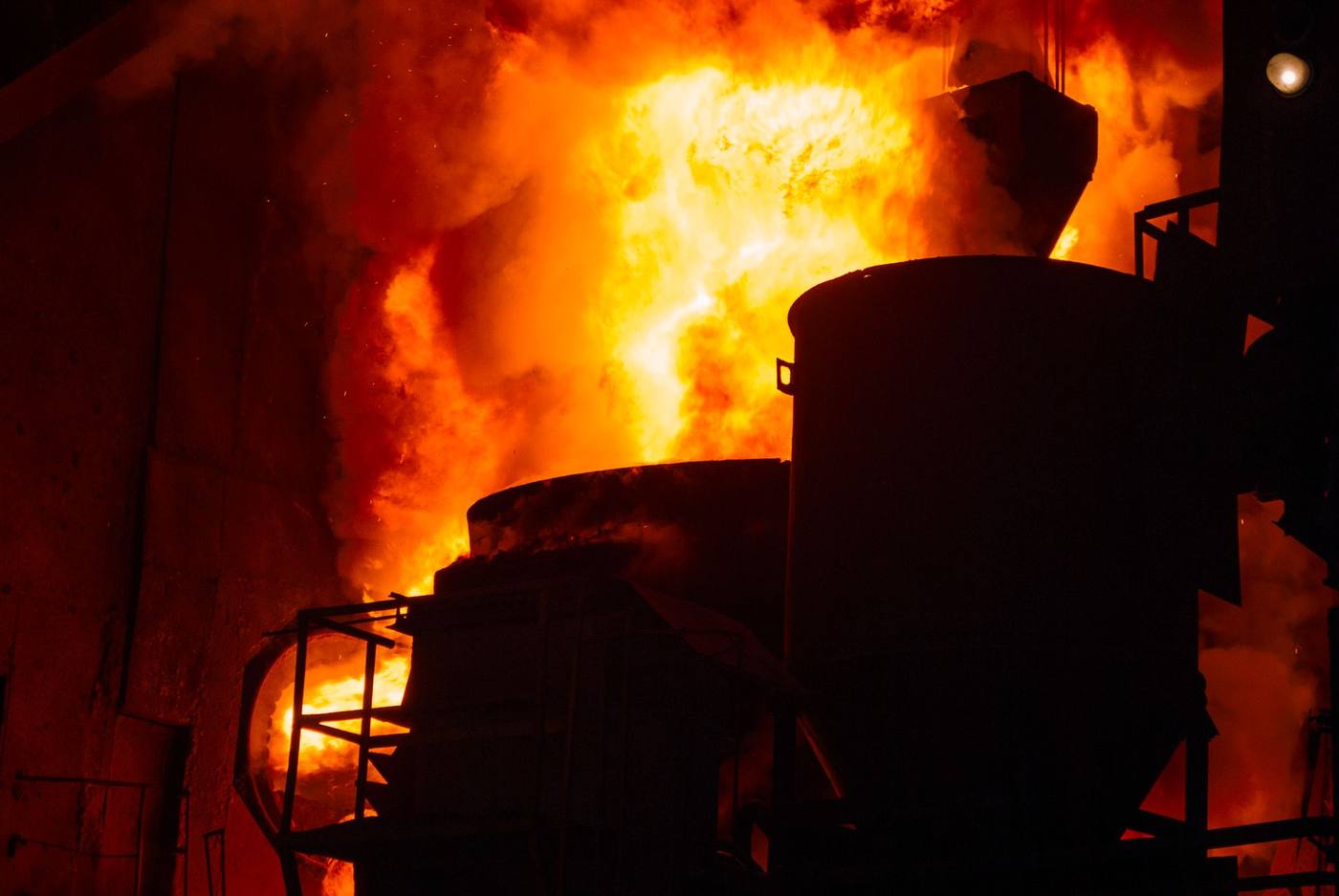
When an industrial disaster strikes—whether it is a catastrophic chemical release, a major refinery explosion, a structural failure, or a toxic environmental breach—the first few hours dictate the survival of the enterprise and the safety of the surrounding community. Under the immense pressure of a rapidly unfolding disaster, standard operating procedures can break down. Organizations must rely on a highly structured, battle-tested crisis command network to contain hazards, protect life, and manage intense regulatory and media scrutiny.
The Crisis Management for Industrial Disasters program is an advanced, high-consequence leadership course designed for HSE Directors, Plant Managers, Incident Commanders, Corporate Risk Executives, and Public Relations Leads. This program bridges technical disaster science with the strategic, organizational, and psychological mechanics of emergency command—arming your leadership with the decision-making protocols required to stabilize the scene, protect your workforce, and guide your organization through its most challenging days.
Course Overview
True crisis management is not about reading plans from a shelf; it is about adaptive leadership, rapid information filtering, and clear command under extreme stress. When the alarm sounds, the incident commander must instantly organize chaotic data streams, deploy specialized tactical teams, and communicate with the public transparently.
Over 5 intensive days, this program equips delegates to run a flawless emergency response. Trainees will master the internationally recognized Incident Command System (ICS), design integrated crisis communication strategies, manage environmental and hazard mitigation workflows, lead post-incident investigations, and run comprehensive crisis mock simulations.
Course Objectives
By the end of this intensive training program, participants will be able to:
- Deploy the Incident Command System (ICS): Establish a clear, scalable command structure with defined roles (Operations, Planning, Logistics, Finance).
- Execute Swift Hazard Containment: Coordinate emergency shutdowns, isolation procedures, and rapid-response environmental barriers.
- Manage High-Pressure Corporate Communications: Draft transparent, legally sound statements and manage press conferences under intense media scrutiny.
- Direct Multi-Agency Interoperability: Coordinate seamlessly with national civil defense, municipal fire services, hospitals, and environmental agencies.
- Ensure Effective Post-Disaster Rehabilitation: Lead scene-recovery efforts, direct forensic evidence preservation, and implement business continuity protocols.
- Mitigate Psychological Trauma: Manage workforce stress, establish grief and crisis counseling support, and lead community liaison teams.
Benefits of the Training
For Trainees
- High-Consequence Leadership Stature: Stand out in the industrial market with rare, battle-tested disaster-response and crisis command competencies.
- Advanced Decision-Making Under Stress: Develop the cognitive tools to filter noise, analyze rapidly changing risk profiles, and make critical decisions confidently.
- Comprehensive Risk Literacy: Gain deep knowledge of how physical asset integrity, chemical behaviors, and community safety connect in a crisis.
For Employers
- Minimized Human & Asset Loss: Ensure your crisis team reacts with absolute speed and precision, dramatically reducing casualties, environmental damage, and structural losses.
- Shielded Corporate Reputation: Control the narrative during a disaster with trained corporate spokespeople who protect brand integrity through transparent, professional crisis communications.
- Reduced Legal & Regulatory Exposure: Safeguard your enterprise from massive post-incident lawsuits and regulatory shutdowns by maintaining rigorous compliance and documentation during response.
- Assured Business Continuity: Establish rapid recovery protocols that allow critical operations to resume safely and swiftly after a major disruption.
5-Day Course Outline & Practical Training Plan
This program combines technical crisis lectures, media communication labs, and high-intensity command simulations.
- 1
Day 1
Disaster Typology & The Incident Command System (ICS)
Theoretical Modules
- Anatomy of an industrial disaster: Analyzing major historical case studies (Bhopal, Deepwater Horizon, Texas City).
- The Incident Command System (ICS) framework: ICS-100 through ICS-300 principles.
- The Command Staff: Safety Officer, Liaison Officer, and Public Information Officer (PIO) roles.
Hands-on / Practical Training
- The ICS Mobilization Lab: Trainees are presented with a sudden, massive refinery explosion scenario. They must immediately establish an Incident Command Post, assign crucial ICS roles, and draft the initial Incident Action Plan (IAP) within 30 minutes.
- 2
Day 2
Hazard Isolation, Emergency Shutdowns, & Civil Coordination
Theoretical Modules
- Commanding hazardous material (HAZMAT) releases and toxic gas clouds.
- Emergency shutdown systems (ESD) and physical asset isolation protocols.
- Managing local community evacuations, shelter-in-place orders, and air-quality monitoring zones.
- Liaising with civil defense, police, and specialized emergency services.
Hands-on / Practical Training
- The Civil Liaison Simulation: Trainees must coordinate a joint response with mock representatives from local police, environmental agencies, and hospital boards, resolving conflicting institutional priorities during a mock chlorine gas release.
- 3
Day 3
Crisis Communication, Media Relations, & Stakeholder Management
Theoretical Modules
- The Golden Hour of PR: Managing initial statements, social media rumors, and corporate notifications.
- How to handle aggressive media: Setting up press centers, controlling camera access, and delivering clear, empathetic sitreps.
- Managing critical stakeholders: Informing board members, insurance underwriters, and regulatory bodies.
Hands-on / Practical Training
- The Hot-Seat Media Challenge: Trainees are subjected to a realistic, high-pressure simulated press conference. Professional journalists grill the trainee (acting as the company spokesperson) on a major environmental spill, testing their composure, clarity, and message delivery under the camera lights.
- 4
Day 4
Post-Incident Forensic Investigation & Root Cause Analysis
Theoretical Modules
- Securing the disaster scene: Evidence preservation, safety zones, and regulatory handovers.
- Modern investigation frameworks: Root Cause Analysis (RCA), TapRooT, and the Swiss Cheese Model.
- Liaising with government safety investigators and legal defense teams.
Hands-on / Practical Training
- The Forensic Walkthrough: Trainees analyze a mock physical disaster scene, identifying critical evidence, reviewing control logs, and interviewing simulated plant operators to identify the systemic failures that triggered the accident.
- 5
Day 5
Full-Scale Disaster Simulation & Recovery Roadmap
Theoretical Modules
- Designing the post-disaster recovery plan: Soil remediation, asset decommissioning, and plant rebuilds.
- Managing workforce psychological health: Post-Traumatic Stress Disorder (PTSD) mitigation and return-to-work protocols.
- Final examination and review of the crisis response portfolio.
Hands-on / Practical Training
- The Catastrophic Failure Simulation: Trainees manage a complex, multi-system disaster involving a facility fire, hazardous runoff, missing employees, and an ongoing media siege. They must run the Incident Command Post, deploy rescue teams, manage simulated casualties, handle the press, and present a comprehensive recovery roadmap to the "board" under real-time, high-pressure parameters.
- Final Course Assessment & IASS Certification Award.