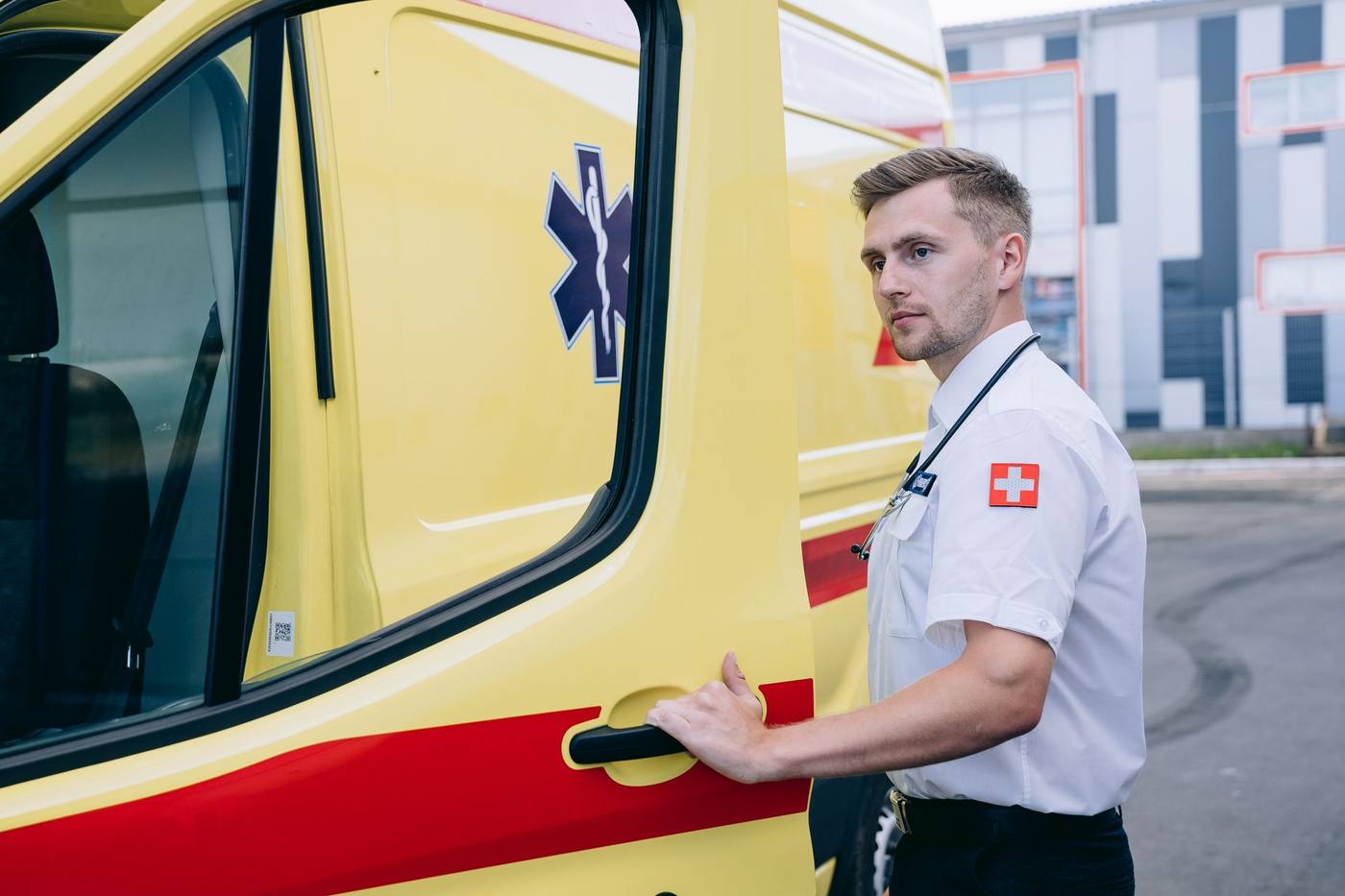
When a medical crisis occurs on a hotel property—whether a sudden cardiac arrest in the lobby, an allergic reaction in the restaurant, or a severe fall poolside—the speed and quality of the initial staff response are critical. Before professional paramedics arrive, hotel employees are the true first responders. In high-end hospitality, executing a medical intervention must combine precise, life-saving clinical coordination with the highest standards of guest discretion, empathy, and professional poise.
The Emergency Medical Response for Hotel Guests program is an advanced, highly specialized certification course designed for hotel duty managers, guest relations teams, lifeguards, security personnel, and department heads. It bridges standard first-aid training with luxury service recovery, giving your team the operational frameworks, medical protocols, and communication tools needed to manage guest health emergencies swiftly, calmly, and professionally.
Course Overview
In a busy hotel, a medical emergency can easily trigger panic among other guests and severely disrupt operations.
Over 5 intensive days, this program equips hospitality teams to handle a wide spectrum of medical crises. Trainees learn how to establish a rapid-activation response chain, perform high-quality CPR and AED deployment, manage severe trauma or acute illnesses, and navigate the delicate logistics of ambulance escorts, guest family support, and legally protective incident documentation.
Course Objectives
By the end of this intensive training program, participants will be able to:
- Activate the Internal Medical Response Chain: Implement a highly structured, silent, and rapid communication protocol to alert internal responders.
- Master CPR & Automated External Defibrillator (AED) Use: Deliver high-frequency, life-saving cardiovascular resuscitation under pressure.
- Manage Acute Medical Crises: Recognize and stabilize guests experiencing strokes, heart attacks, severe diabetic shock, seizures, or anaphylaxis.
- Provide Immediate Trauma Care: Control severe bleeding, stabilize fractures, and treat thermal or chemical burns safely.
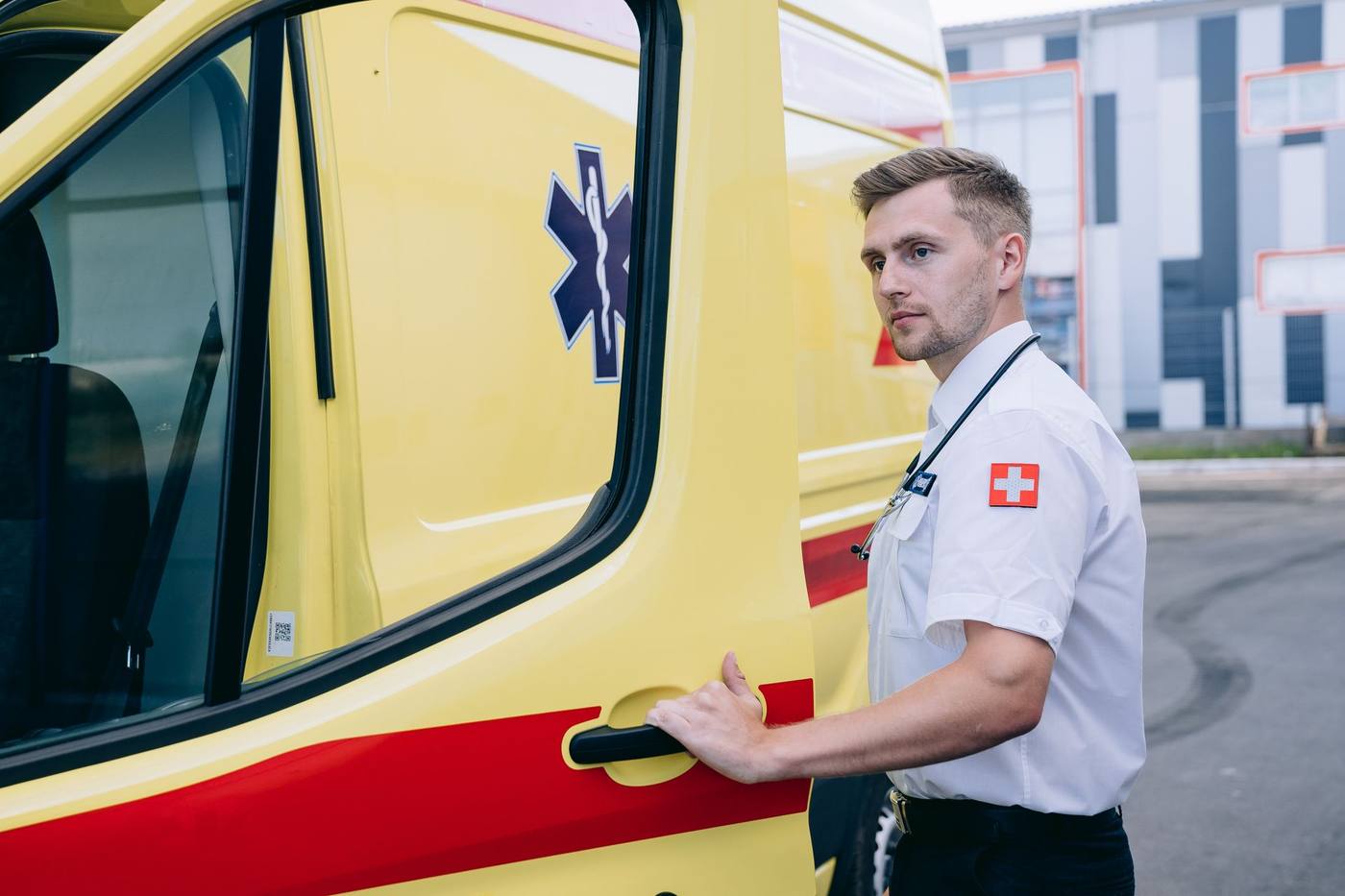
- Coordinate Discrete Ambulance Ingress/Egress: Manage back-of-house pathways to guide emergency medical services (EMS) directly to the casualty, minimizing public exposure.
- Handle Post-Incident Service Recovery: Support the victim’s family, manage room-clearing logistics, and compile legally defensible incident reports.
Benefits of the Training
For Trainees
- Critical Life-Saving Confidence: Acquire robust, hands-on clinical skills that empower you to act decisively and save lives in high-pressure situations.
- Expert Crisis Coordination: Learn how to direct chaotic scenes, manage bystanders, and lead a multi-department emergency team with professional authority.
- Valuable Career Credentials: Earn advanced, globally recognized certifications in Emergency Medical Response (EMR) tailored specifically for luxury environments.
For Employers
- Uncompromised Guest Duty-of-Care: Build an elite, highly competent internal first-responder force capable of protecting guest lives during critical minutes.
- Protected Brand and Guest Reputation: Execute medical evacuations quietly and discretely, preserving the serene atmosphere of the property and avoiding public distress.
- Reduced Legal & Liability Exposure: Ensure all medical interventions and documentation adhere strictly to local duty-of-care laws, Good Samaritan acts, and compliance codes.
- High-Performing Safety Culture: Align your food and beverage, recreation, housekeeping, and security teams under a single, seamless medical response standard.
5-Day Course Outline & Practical Training Plan
This program combines clinical first-responder theory, medical equipment familiarization, and high-intensity, live-action medical roleplay simulations.
- 1
Day 1
System Activation, Primary Assessment, & Cardiac Care
Theoretical Modules
- The Chain of Survival in Hospitality: Activation, intervention, rapid defibrillation, and advanced care.
- Primary Assessment: Managing the scene, checking responsiveness, airway clearance, and breathing checks.
- The clinical science of Sudden Cardiac Arrest (SCA).
Hands-on / Practical Training
- High-Performance CPR & AED Lab: Trainees practice continuous chest compressions and rescue breathing on advanced feedback mannequins, mastering the correct placement and operation of different AED models.
- 2
Day 2
Acute Medical Emergencies: Recognition & Stabilization
Theoretical Modules
- Spotting early warning signs and administering immediate treatment for:
- Cardiovascular events: Angina and myocardial infarction (heart attack).
- Neurological events: Strokes (using the F.A.S.T. method) and grand mal seizures.
- Metabolic crises: Hypoglycemia vs. hyperglycemia (diabetic emergencies).
- Respiratory distress: Managing severe asthma attacks and choking.
Hands-on / Practical Training
- The Medical Identification Challenge: Trainees interact with actors simulating various acute medical conditions. They must correctly diagnose the condition based on symptoms, vital signs, and verbal indicators, initiating the exact treatment protocol needed.
- 3
Day 3
Environmental Hazards, Poisoning, & Anaphylaxis
Theoretical Modules
- Allergic reactions and anaphylactic shock: Identifying common food/environmental triggers and using Epinephrine Auto-Injectors (EpiPens).
- Heat-related illnesses: Distinguishing between heat exhaustion and life-threatening heat stroke.
- Chemical exposure, ingestion poisoning, and water-related pool emergencies.
Hands-on / Practical Training
- The Poolside & Restaurant Response Drill: Trainees respond to mock emergencies in different parts of the hotel (e.g., a child experiencing anaphylactic shock at a dining table, or an adult collapsing from heat stroke on the pool deck).
- 4
Day 4
Trauma Management, Bleeding Control, & Stabilization
Theoretical Modules
- Managing physical trauma: Severe slips, trips, falls, and cuts.
- Hemmorhage control: Direct pressure, pressure dressings, and tactical tourniquet application.
- Stabilizing suspected spinal, neck, and head injuries: Proper log-rolling and cervical collar application.
- Treating burns and scalds in guest rooms or kitchens.
Hands-on / Practical Training
- Trauma Stabilization Lab: Trainees work in teams to stabilize a victim of a severe fall down a mock staircase. They must control heavy bleeding, immobilize the neck/spine, and prepare the patient for safe transport without causing further injury.
- 5
Day 5
Discrete Logistics, EMS Liaison, & Crisis Recovery
Theoretical Modules
- The Art of Discretion: Coordinating with front desk and security to establish a silent, backstage route for arriving paramedics, avoiding lobby scenes.
- Caring for the guest's family: Managing hospital transfers, securing personal belongings, and providing compassionate support.
- Legal documentation: Writing exhaustive, legally sound medical incident reports that protect both the casualty and the hotel.
Hands-on / Practical Training
- The "Silent Handover" Simulation: Trainees manage a complex, multi-layered scenario. A VIP guest collapses in a penthouse suite. The team must provide immediate stabilization, activate a silent EMS arrival through service elevators, hand over the patient to arriving mock paramedics, support the panicked spouse, and document the entire timeline under regulatory standards.
- Final Course Assessment & IASS Certification Review.