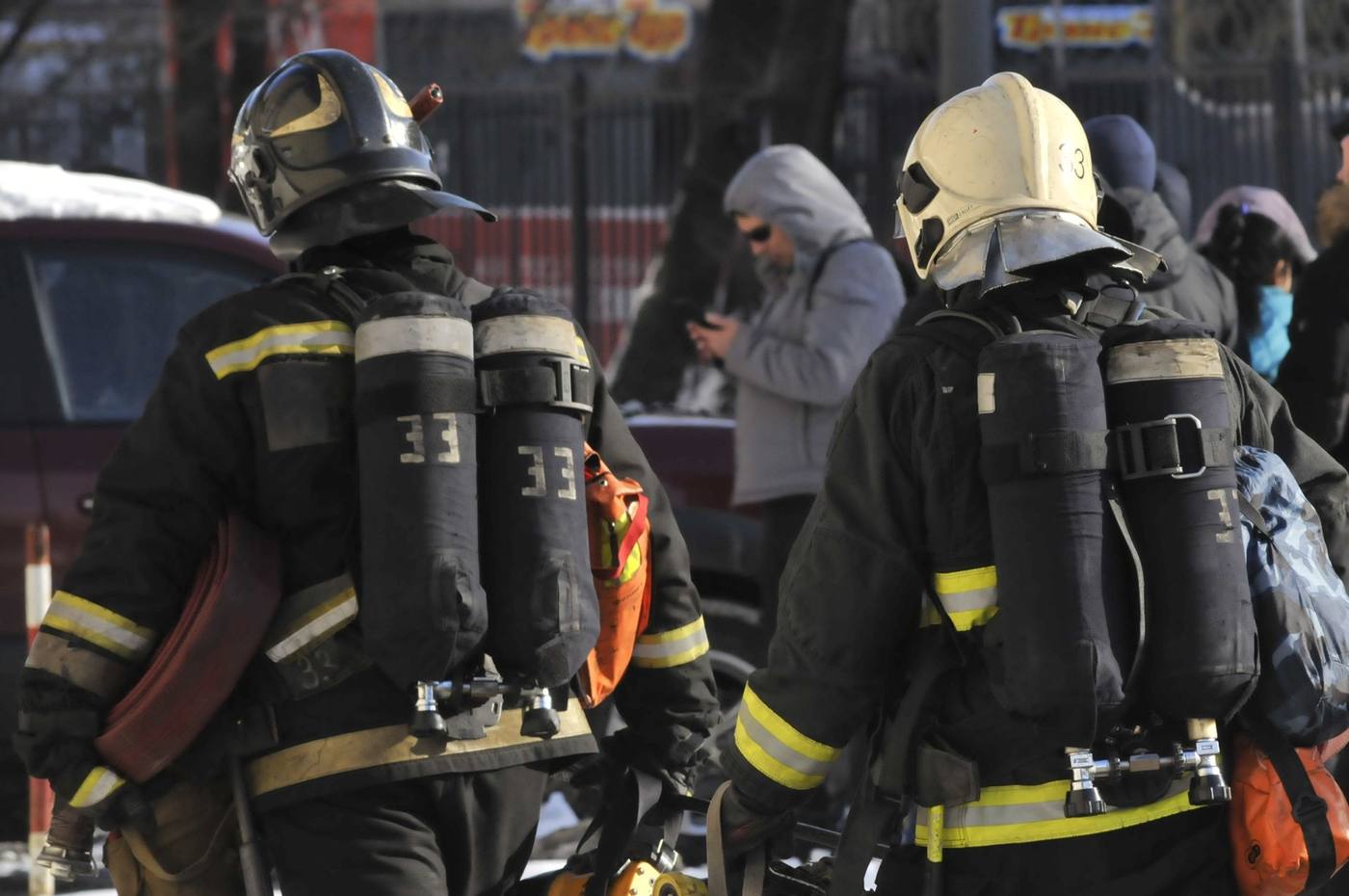

In petrochemical plants, refineries, heavy manufacturing hubs, and large-scale construction zones, hot work operations—such as welding, torch cutting, and grinding—are daily necessities. However, these activities generate high-temperature sparks, molten slag, and open flames that can easily ignite nearby combustible dusts, gases, or structural materials. Because standard automated fire detection and suppression systems are often isolated or bypassed during active maintenance, the human element becomes the primary line of defense.
The Fire Watch & Industrial Emergency Response certification program is a specialized, technical training course designed for Safety Officers, Fire Watch Personnel, Permit Issuing Authorities, Industrial Security Guards, and Plant First Responders. This course bridges the gap between passive fire watch duties and active, initial-stage emergency response—equipping your frontline team with the technical competence to prevent, identify, isolate, and extinguish nascent industrial fires before they escalate into catastrophic disasters.
Course Overview
An effective Fire Watch is far more than a passive observer holding a fire extinguisher. It requires a proactive, technically trained professional who understands fire behavior physics, hazardous atmosphere behavior, spark containment, and high-pressure incident command.
Over 5 intensive days, this course guides delegates through the safety principles, hazard mitigation techniques, and operational protocols of industrial fire prevention. Participants will master hot work permit structures, atmospheric gas testing, physical spark containment barrier installation, advanced fire extinguishing methods, smoke and toxic gas migration control, and safe evacuation coordination.
Course Objectives
By the end of this intensive training program, participants will be able to:
- Evaluate Hot Work Hazards: Systematically analyze work areas for combustible gases, dusts, and ignitable structures before work begins.
- Audit Safety Permits & Compliances: Verify Hot Work Permits, assess isolated fire alarm zones, and confirm active safety conditions.
- Apply Advanced Spark Containment: Properly select, position, and secure fire-resistant blankets, curtains, and localized spark-containment barriers.
- Operate Gas Detection Equipment: Calibrate and use multi-gas detectors to measure Lower Explosive Limits (LEL), oxygen levels, and toxic gases.
- Execute NASCENT-Stage Extinguishment: Correctly match and deploy water, foam, dry chemical, and carbon dioxide ($CO_2$) extinguishing agents to specific fire classes.
- Command Early-Stage Evacuation & Alarms: Initiate rapid alarms, isolate HVAC systems, and lead safe egress routes during an active fire emergency.
Benefits of the Training
For Trainees
- High-Value Safety Credentials: Gain specialized industrial qualifications that are highly sought after in oil and gas, maritime, and chemical manufacturing sectors.
- Advanced Hazard Analysis Skills: Learn to read physical environments for hidden chemical, structural, and atmospheric fire risks before incidents happen.
- Calm, Decisive Leadership: Build the psychological confidence to act decisively and take command during the critical first two minutes of an emergency.
For Employers
- Prevented Catastrophic Shutdowns: Catch small sparks and flare-ups immediately, avoiding multi-million dollar structural damages and production halts.
- Full Compliance with NFPA & OSHA: Meet and exceed NFPA 51B (Standard for Fire Prevention During Welding, Cutting, and Other Hot Work) and OSHA 1910.252 requirements.
- Lower Insurance Premiums: Demonstrate a robust risk-mitigation culture with a certified, professionally trained, onsite Fire Watch force.
- Enhanced Life Safety Assurance: Protect your workforce and contract personnel from flash fires, smoke inhalation, and hazardous toxic gas leaks.
5-Day Course Outline & Practical Training Plan
This program combines technical classroom physics and chemistry with hands-on gas monitoring labs, actual live-fire extinguisher training, and fast-paced emergency scenario drills.
- 1
Day 1
The Chemistry of Fire, Hot Work Rules, & Permit Auditing
Theoretical Modules
- The Fire Tetrahedron: Fuel, oxygen, heat, and the chemical chain reaction.
- NFPA 51B and OSHA 1910.252 regulatory compliance standards.
- The Hot Work Permit process: Roles of the Permit Authorizing Individual (PAI), the Operator, and the Fire Watch.
- Analyzing historic industrial fire disasters caused by hot work failures.
Hands-on / Practical Training
- The Permit Audit Challenge: Trainees are presented with mock physical job sites and incomplete Hot Work Permits. They must identify missing safety steps, unsigned clearances, and environmental hazards before allowing simulated work to start.
- 2
Day 2
Atmospheric Gas Testing & Spark Containment Barriers
Theoretical Modules
- Understanding Lower Explosive Limits (LEL), Upper Explosive Limits (UEL), and vapor density.
- Operating and calibrating portable multi-gas detectors.
- Spark containment strategies: Selecting, installing, and securing fire-resistant welding blankets, welding pads, and wind barriers.
- Handling combustible dust environments (grain, coal, metal powders) during hot work.
Hands-on / Practical Training
- The Gas Calibration & Blanket Lab: Trainees bump-test and calibrate four-gas monitors, use them to check mock vessels for explosive vapors, and construct a complete physical containment enclosure using industrial fire blankets to isolate a mock grinding workspace.
- 3
Day 3
Industrial Fire Classes & Extinguishing Agent Mechanics
Theoretical Modules
- Classifying industrial fires: Class A (solids), Class B (liquids), Class C (gases), Class D (metals), and Class K/F (fats/oils).
- Extinguishing agent mechanics: How water, ABC dry chemical, Purple-K, Foam, Carbon Dioxide ($CO_2$), and Clean Agents suppress combustion.
- Calculating extinguisher ratings, effective ranges, and discharge durations.
- Inspecting, maintaining, and staging portable fire extinguishers on a job site.
Hands-on / Practical Training
- The Fire Extinguisher Match Lab: Trainees are presented with different simulated industrial fuel sources. They must rapidly select the correct class-rated extinguisher, check its pressure, and demonstrate proper approach vectors.
- 4
Day 4
Live-Fire Extinguishment & Personal Safety Protocols
Theoretical Modules
- The PASS method (Pull, Aim, Squeeze, Sweep) and proper stance under high pressure.
- Evaluating when to fight and when to flee: Assessing fire size, smoke movement, and escape routes.
- Understanding the hazards of smoke, carbon monoxide, and thermal radiation.
- Personal Protective Equipment (PPE) requirements for Fire Watch duties.
Hands-on / Practical Training
- The Live-Fire Extinguishment Challenge: Under the direct supervision of certified fire instructors, trainees use actual portable extinguishers to successfully put out pressurized Class A and Class B live fires in a controlled outdoor environment.
- 5
Day 5
Emergency Evacuations, Communications, & Crisis Mock Drills
Theoretical Modules
- Activating facility emergency alarm systems and communicating with industrial fire brigades.
- Managing safe evacuations: Controlling panic, coordinating assembly points, and conducting headcounts.
- The "Post-Work Fire Watch" protocol: Monitoring the hot work zone for a minimum of 30 to 60 minutes after work ends to catch smoldering embers.
Hands-on / Practical Training
- The Smoldering Crisis Scenario: Trainees monitor a simulated hot work zone after a welding job ends. Instructors trigger a hidden smoldering fire that begins to smoke in a high-risk cable tray. Trainees must detect the anomaly, sound the alarm, communicate a clear report to the command center, safely extinguish the fire, and manage a structured mock evacuation of the area.
- Final Practical Assessment, Written Exam, & IASS Certification Award.