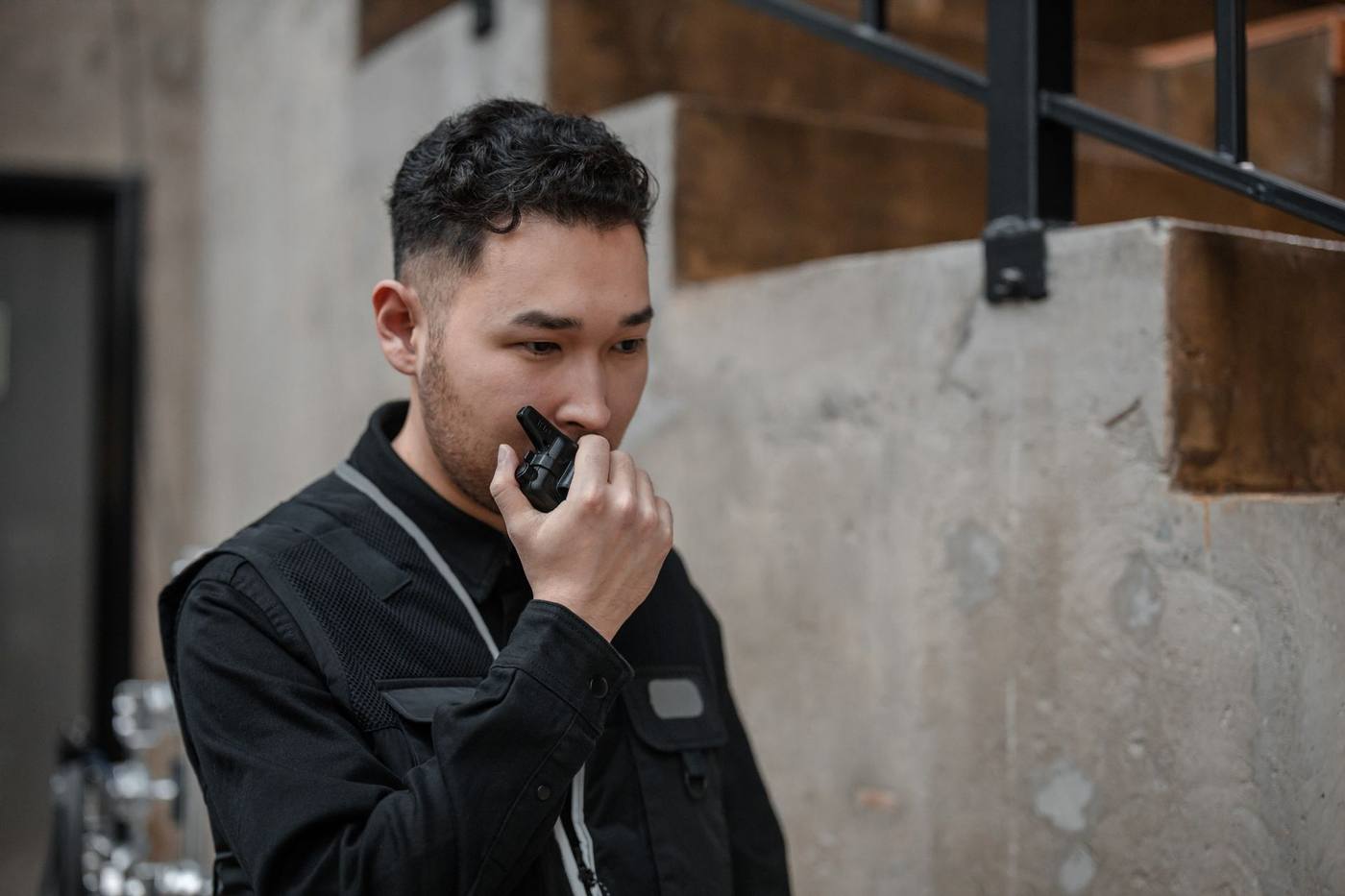
In an increasingly globalized hospitality and leisure landscape, communication is a critical security asset. When a safety or medical incident occurs, language barriers can delay emergency responses, lead to misunderstandings, and escalate tense situations. True security requires frontline teams to communicate clearly, empathetically, and adaptively with guests from diverse linguistic and cultural backgrounds.
The Multilingual Communication for Security Personnel program is a cutting-edge course designed for door supervisors, lobby hosts, floor wardens, and guest relations security teams. This training provides the practical language toolkits, cross-cultural de-escalation strategies, and non-verbal communication methods needed to manage guest interactions, enforce venue policies, and handle high-pressure emergencies smoothly across multiple languages.
Course Overview
Security personnel are often the first to interact with international guests, making their communication style crucial to the venue's safety and reputation.
Over 5 intensive days, this course teaches security teams how to navigate language barriers during critical situations. Participants will learn key emergency phrases in globally prominent languages, master the psychological dynamics of cross-cultural conflict resolution, use non-verbal cues effectively, and leverage real-time translation technologies without compromising situational awareness.
Course Objectives
By the end of this intensive training program, participants will be able to:
- Utilize Tactical Multilingual Phrases: Deliver clear, commands and supportive phrases in key target languages during medical, fire, or security incidents.
- Navigate Cross-Cultural Differences: Recognize varying cultural norms regarding personal space, physical touch, eye contact, and authority to prevent accidental escalation.
- De-escalate Language-Barrier Conflicts: Resolve disputes with non-native speakers using active listening, visual aids, and vocal tone control.
- Optimize Non-Verbal Communication: Use globally recognized hand gestures, body positioning, and micro-expressions to guide or calm crowds safely.
- Implement High-Tech Translation Tools: Safely incorporate earpieces, translation apps, and remote-interpreter services into live security operations.
- Document Multilingual Incidents: Gather accurate details and witness accounts through translation aids to write comprehensive reports.
Benefits of the Training
For Trainees
- High-Value Global Skillset: Gain highly sought-after cultural and linguistic communication skills that set you apart in international hotels, airports, and luxury resorts.
- Reduced Conflict Stress: Feel empowered and confident when handling difficult situations with non-native speakers, reducing personal stress and friction.
- Professional Confidence: Learn to represent your venue as a highly capable, welcoming, and globally minded security professional.
For Employers
- Faster Emergency Response Times: Eliminate communication delays during critical incidents by training your security team to deliver direct, multilingual instructions.
- Enhanced International Brand Reputation: Create a world-class, inclusive environment where international guests and VIPs feel respected, valued, and safe.
- Fewer Liability and Legal Disputes: Avoid costly lawsuits or public relations issues stemming from misunderstandings or perceived discrimination.
- Improved Team Coordination: Align security, guest services, and international translation teams under a single, unified communication protocol.
5-Day Course Outline & Practical Training Plan
- 1
Day 1
Cross-Cultural Security Psychology & Non-Verbal Mastery
Theoretical Modules
- The role of culture in security: How different societies view authority, physical contact, and personal space boundaries.
- Non-verbal communication: Managing stance, eye contact, and gestures across cultures.
- Avoiding common cultural friction points in high-pressure situations.
Hands-on / Practical Training
- The Silent Security Challenge: Trainees must guide a group of mock non-English-speaking guests through an evacuation pathway using only physical cues, hand signals, and non-verbal directions.
- 2
Day 2
Tactical Multi-Language Commands for Emergencies
Theoretical Modules
- Developing a "Universal Emergency Lexicon": Core phrases for medical crises, fire evacuations, and security lockdowns.
- Pronunciation, vocal pacing, and simple vocabulary in key regional languages (e.g., Spanish, Arabic, Mandarin, French, German).
- Active listening: Recognizing panic, distress, or medical symptoms through vocal tone rather than direct vocabulary.
Hands-on / Practical Training
- The Multilingual Incident Response Drill: In a high-noise environment, trainees respond to a mock guest experiencing a medical emergency. They must use targeted foreign-language phrases to stabilize the patient, keep bystanders back, and gather basic medical details.
- 3
Day 3
Cross-Cultural Conflict Resolution & De-escalation
Theoretical Modules
- The dynamics of language-barrier frustration: Why miscommunication quickly turns into defensiveness or aggression.
- "Verbal Judo" with a translation gap: Using simplified syntax, repetition, and calm matching of vocal pitch.
- How to politely but firmly enforce policies (such as dress codes or restricted access) with international guests.
Hands-on / Practical Training
- The Front Desk Dispute Simulation: Trainees defuse a heated confrontation involving an international guest who is frustrated by access card failures or ID requirements, guiding them to a peaceful resolution.
- 4
Day 4
High-Tech Translation & Remote-Interpreter Integration
Theoretical Modules
- Selecting and using professional mobile translation apps and automated earpieces without dropping situational awareness.
- Establishing seamless communication channels with on-call human interpreters or hotel guest-services staff.
- Securing and protecting confidential guest details shared during translated interviews.
Hands-on / Practical Training
- The Tech-Assisted Investigation Lab: Trainees conduct a mock investigation (such as a reported room theft) with an international guest, utilizing mobile apps, visual cards, and phone-based translation services to gather accurate details.
- 5
Day 5
Evacuations, Command Handover, & Certification Review
Theoretical Modules
- Managing large, diverse crowds during facility-wide evacuations.
- Formulating multilingual public address (PA) scripts and coordinating with safety wardens.
- Presenting translated timelines, incident details, and evidence to local police or medical personnel.
Hands-on / Practical Training
- The Full-Scale Multilingual Incident: Trainees manage a simulated resort evacuation. They must deliver clear instructions, resolve language barriers on guest floors, assist international families, and hand over a complete report to arriving first responders.