Operating a licensed venue—whether an upscale hotel lounge, a high-volume nightclub, a crowded bar, or a multi-room entertainment hub—presents a complex mix of regulatory, safety, and operational challenges. The combination of late hours, high-density crowds, alcohol or substance consumption, and sensory overload can rapidly turn minor social frictions into severe security or liability threats. Managing these spaces safely requires far more than physical presence; it demands a highly coordinated strategy rooted in crowd psychology, legal compliance, and tactical de-escalation.
The Nightlife Security & Licensed Premises Control program is a comprehensive masterclass designed for venue owners, security directors, door supervisors, bar managers, and venue operations leads. It provides the legal frameworks, conflict resolution tactics, crowd control methodologies, and emergency response procedures required to maintain a safe, welcoming, and compliant late-night venue.
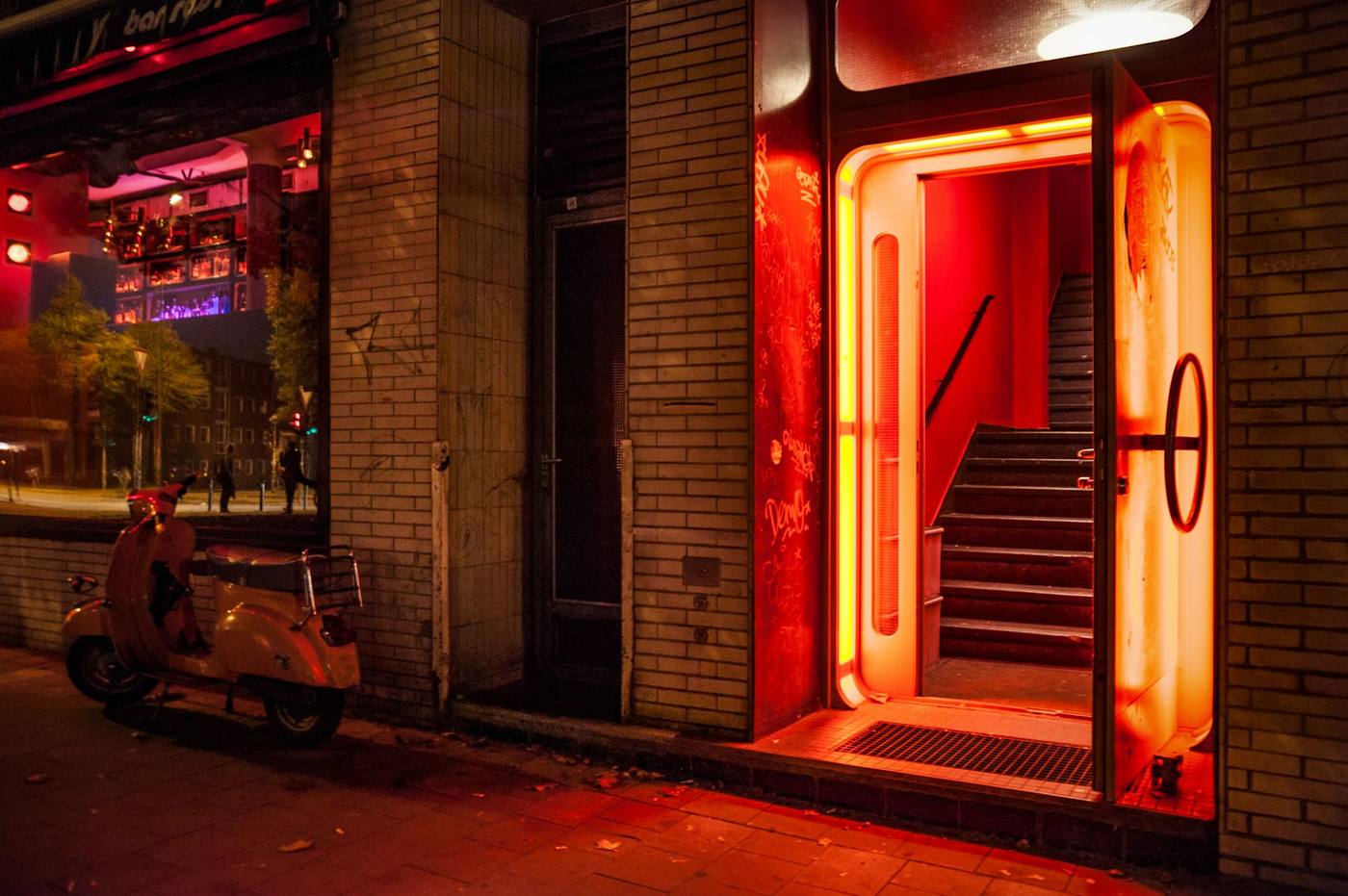
Proactive observation and early intervention form the backbone of safe late-night venue management.. Source: somboon kaeoboonsong / Getty Images
Course Overview
In licensed premises, security must act as a seamless extension of the guest experience. An aggressive or untrained security presence can ruin a venue’s atmosphere and invite legal trouble, while a passive team risks losing control of the floor entirely.
This intensive 5-day course focuses on proactive risk mitigation and professional door control. Participants will learn how to spot behavioral pre-attack indicators in crowded, low-light spaces, implement legally sound ID verification and search protocols, manage drug and intoxication issues responsibly, and coordinate with local licensing authorities and police forces to protect the venue's operating license.
Course Objectives
By the end of this intensive training program, participants will be able to:
- Enforce Legally Sound Door Controls: Implement robust age-verification, physical searches, and queuing strategies while preventing discriminatory entry practices.
- Spot Early Behavioral Red Flags: Identify early signs of intoxication, drug impairment, or rising hostility in low-light, high-noise environments.
- Execute Safe Physical Interventions: Apply legally compliant, defensive physical control, restraint, and ejection techniques as an absolute last resort.
- Master Licensing and Regulatory Laws: Navigate local alcohol licensing regulations, duty-of-care mandates, and public safety acts to protect the venue from closure.
- Protect Guest Vulnerability: Implement proactive safeguarding policies (such as "Ask for Angela") to prevent predatory behavior, drink-spiking, and harassment.
- Liaise Efficiently with Local Authorities: Establish professional channels for reporting incidents and handing over evidence (CCTV, confiscated items) to local police.
Benefits of the Training
For Trainees
- Advanced Licensing Credentials: Gain a highly regarded professional qualification that sets you apart as a competent, legally aware late-night security leader.
- Confident Conflict Management: Develop the psychological and physical tools to handle intense verbal and physical hostility safely, reducing personal injury risk.
- Expanded Career Opportunities: Qualify for senior security management and consultancy roles within prestigious hospitality groups, casinos, and high-profile entertainment complexes.
For Employers
- Protected Operating License: Drastically lower the risk of regulatory reviews, fines, or forced closures by ensuring your team operates in strict compliance with local laws.
- Reduced Liability & Legal Costs: Shield your business from expensive personal injury claims, lawsuits, and public relations crises resulting from improper force or negligence.
- Preserved Venue Reputation: Maintain an inviting, upscale atmosphere where guests feel safe and valued, driving higher patron loyalty and beverage revenue.
- Highly Coordinated Teams: Foster seamless communication and mutual support between bar staff, floor managers, and door security personnel.
5-Day Course Outline & Practical Training Plan
This program balances classroom theory, legal study, and interactive physical control and de-escalation drills.
- 1
Day 1
Late-Night Licensing Law, Entry Control, & ID Profiling
Theoretical Modules
- The Legal Landscape: Understanding local liquor licensing acts, occupancy limits, and duty-of-care responsibilities.
- The Psychology of the Queue: Designing secure, organized queuing zones to prevent frustration and territorial behavior.
- Advanced ID Profiling: Spotting sophisticated fake identification, passport alterations, and imposter techniques.
Hands-on / Practical Training
- The Door Entry Simulation: Trainees manage a mock club entrance. They must check IDs, filter out underage or overly intoxicated actors, handle queue-jumpers, and manage a crowd backlog under pressure.
- 2
Day 2
Behavioral Profiling, Substance Awareness, & Safeguarding
Theoretical Modules
- The physiological effects of alcohol and common recreational substances.
- Spotting the difference between energetic behavior, deep intoxication, and chemical impairment.
- Safeguarding vulnerable patrons: Implementing drink-spiking detection, recognizing predatory behaviors, and executing safe-taxi or transport handovers.
Hands-on / Practical Training
- Vulnerability and Assessment Lab: Trainees observe mock patrons on a dark, simulated lounge floor. They must correctly identify vulnerable or targeted guests and execute low-profile, supportive interventions before a situation escalates.
- 3
Day 3
Verbal De-escalation & Crowd Management in Low-Light Zones
Theoretical Modules
- Communicating in loud environments: Strategic hand signals, flashlight cues, and non-verbal dominance.
- Verbal de-escalation in high-adrenaline zones: Breaking up arguments and managing aggressive egos without escalating the conflict.
- Understanding crowd density and flow patterns around bars, dancefloors, and smoking areas.
Hands-on / Practical Training
- The Noise-Barrier Confrontation: In a room with high-volume music and flashing lights, trainees must defuse a heated argument between two actors using body positioning, tactical eye contact, and clear, structured verbal commands.
- 4
Day 4
Legally Compliant Physical Intervention & Safe Ejection
Theoretical Modules
- The legal thresholds of physical force: Understanding "reasonable force" vs. assault.
- Banned holds and positional asphyxia: Understanding the medical risks of improper physical restraint.
- The mechanics of a safe, multi-person extraction and ejection from a high-density crowd.
Hands-on / Practical Training
- Practical Restraint & Escort Drills: Under the guidance of certified defensive tactics instructors, trainees practice non-pain-compliance hold techniques, team-based escorts, and safe containment strategies on a padded gym floor.
- 5
Day 5
Critical Incident Management, Evidence Preservation, & Handover
Theoretical Modules
- Managing major emergencies: Active fights, weapon detection, fire alarms, and rapid evacuations in dark spaces.
- Crime scene preservation: Securing evidence (weapons, glassware, clothing) and documenting incidents in the logbook.
- Writing legally defensible incident reports and presenting professional handovers to emergency responders.
Hands-on / Practical Training
- The Post-Incident Command Simulation: Trainees respond to a major simulated physical altercation. They must safely separate the combatants, secure the immediate area, render basic first-aid, preserve the physical scene, review mock CCTV logs, and write up an official incident report ready for police handover.
- Final Course Assessment & IASS Certification Review.