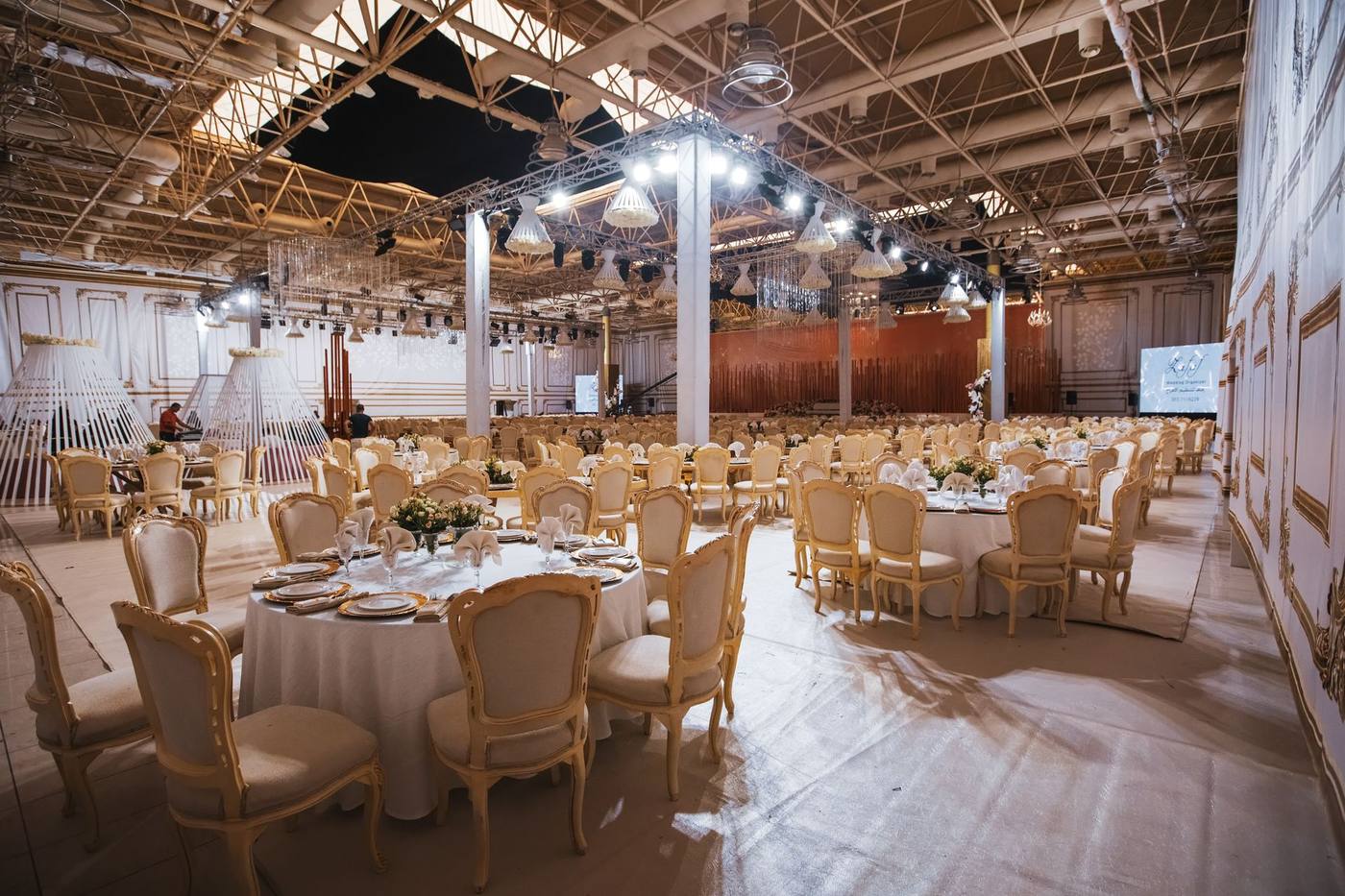


Leisure venues—including luxury hotels, resorts, theme parks, shopping malls, and major entertainment complexes—are classified by security agencies as "Soft Targets." By design, they are highly accessible, heavily crowded, and focus on delivering a relaxed, open experience. This welcoming environment, unfortunately, makes them attractive to hostile actors seeking to cause maximum disruption and mass casualties.
The Terrorism Awareness for the Leisure Industry program is a specialized, proactive training course designed for hotel general managers, theme park operations leads, venue safety directors, security teams, and frontline department heads. It provides the tactical frameworks, behavioral profiling skills, and emergency response protocols necessary to identify hostile reconnaissance, detect suspicious indicators, and lead teams confidently through high-consequence security incidents.
Course Overview
In the modern threat landscape, security cannot rely solely on reactive responses. Preventing an attack requires early intervention during the hostile planning and reconnaissance phases.
Over 5 intensive days, this course bridges the gap between high-level intelligence and frontline hospitality operations. Delegates will learn how to identify hostile reconnaissance, recognize improvised explosive device (IED) indicators, manage active shooter scenarios, and coordinate immediate, life-saving containment and evacuation protocols without inducing mass panic in a resort environment.
Course Objectives
By the end of this intensive training program, participants will be able to:
- Identify Hostile Reconnaissance: Recognize suspicious photography, unusual questioning of staff, and anomalous physical mapping of the property.
- Implement "Hostile Attribution" Profiling: Spot behavioral anomalies, clothing incongruities, and physiological indicators of intent.
- Respond to Left-Behind and Suspicious Items: Master the HOT protocol (Is it Hidden, Obviously suspicious, Typical?) and establish secure cordons.
- Execute Active Threat Protocols: Understand and train staff in "Run, Hide, Tell" (or localized equivalents) tailored to guest-heavy spaces.
- Design Vehicle-Borne IED (VBIED) Defenses: Set up effective vehicle screening checkpoints and traffic-calming physical perimeters.
- Manage Post-Incident Crisis Communications: Coordinate immediate, structured emergency notifications and facilitate swift handover to counter-terrorism police.
Benefits of the Training
For Trainees
- Advanced High-Risk Security Competency: Gain specialist counter-terrorism awareness skills that are highly valued by premium hospitality brands globally.
- Calm Leadership Under Pressure: Develop the psychological resilience and commanding presence required to direct panicked crowds and make critical decisions during a crisis.
- Enhanced Tactical Observation: Cultivate a sharp, analytical eye that naturally identifies environmental and behavioral anomalies.
For Employers
- Proactive Threat Interception: Empower your workforce to spot, report, and disrupt hostile planning before an attack can be executed on your property.
- Maximized Guest & Brand Protection: Reassure international corporate groups, governments, and luxury travelers that your property operates under elite security standards.
- Compliance with Evolving Safety Standards: Align your organization with national security strategies, duty-of-care legislation, and emergency-preparedness mandates.
- A "Whole-of-House" Human Firewall: Train non-security staff (housekeeping, concierge, valets) to act as essential, highly effective observation assets.
5-Day Course Outline & Practical Training Plan
This program combines threat intelligence briefings, behavioral profiling workshops, and realistic, high-pressure crisis simulations.
- 1
Day 1
Modern Counter-Terrorism & Hostile Reconnaissance Detection
Theoretical Modules
- The evolution of soft-target terrorism: Understanding threat actors, methodologies, and motivation.
- The Hostile Planning Cycle: From target selection to execution.
- Spotting hostile reconnaissance: Recognizing anomalous behaviors, unusual questioning of staff, and suspicious recording or physical testing of security.
Hands-on / Practical Training
- The Reconnaissance Spotting Challenge: Trainees monitor live CCTV feeds and lobby areas to identify mock "hostile spotters" attempting to map security cameras, exit gates, and guard shift changes.
- 2
Day 2
Behavioral Profiling & Frontline Intervention
Theoretical Modules
- The physiology of stress and hostile intent: Tracking micro-expressions, gait anomalies, and nervous mannerisms.
- Concealed weapon indicators: Recognizing unnatural posture, asymmetrical clothing, and protective hand movements.
- The "Tactical Greeting": Using positive, professional engagement to disrupt a hostile actor’s focus and assess their intent.
Hands-on / Practical Training
- Tactical Greeting Roleplay: Trainees practice engaging mock suspicious visitors in lobby areas. They must gather validating information politely while evaluating the visitor's responses and physiological reactions.
- 3
Day 3
IED, VBIED, & CBRN Threat Mitigation
Theoretical Modules
- Identifying Improvised Explosive Devices (IEDs): The HOT protocol (Hidden, Obvious, Typical).
- Vehicle-Borne IED (VBIED) indicators: Recognizing sagging suspensions, uncoordinated registration plates, and driver nervousness.
- Overview of Chemical, Biological, Radiological, and Nuclear (CBRN) threats and immediate protective actions (e.g., HVAC shutdown).
Hands-on / Practical Training
- Suspicious Package and Vehicle Sweep: Trainees conduct physical inspection drills of a mock unattended package in a restaurant and evaluate mock vehicles at a delivery entrance for VBIED warning signs.
- 4
Day 4
Active Shooter & Marauding Terrorist Attack (MTAs) Response
Theoretical Modules
- The dynamics of a Marauding Terrorist Attack (MTA) in hospitality environments.
- The "Run, Hide, Tell" protocol: Operationalizing it for guests of varying nationalities, languages, and physical abilities.
- Dynamic lockdown vs. mass evacuation: When to implement each strategy depending on the attack location.
- Immediate trauma management under fire (basic tactical triage).
Hands-on / Practical Training
- The Floor Lockdown Drill: Trainees manage a simulated active shooter threat on a guest floor, practicing rapid communications, secure barricading techniques, and coordinating guest containment under high-noise stress.
- 5
Day 5
Emergency Liaison, Media Control, & Crisis Recovery
Theoretical Modules
- Liaising with arriving armed police and emergency response units: Providing precise descriptions, blue-line entry routes, and master keys.
- Post-incident accountability: Establishing secure assembly areas, tracking guest manifests, and handling family inquiries.
- Media management during the "golden hour" of an incident: Preventing leaks, maintaining brand integrity, and coordinating with official agency spokespersons.
Hands-on / Practical Training
- The Crisis Command Center Exercise: Operating from a mock Incident Control room, trainees manage a fast-moving crisis scenario involving a dual-threat incident (unattended package and active shooter). They must coordinate internal staff, communicate with guests, liaise with responding armed units, and draft an official agency briefing under tight timelines.
- Final Course Assessment & IASS Certification Review.